Kashi Ashta Bhairava: Discover the eight guardians of Varanasi and their sacred temples

RIYA SHARMA
HRDYAM - DISCOVER SACRED JOURNEYS, WISDOM & WELLNESS

Kashi holds a special place in the hearts of people who believe that Lord Shiva watches over them from all sides. Devotees make offerings to the 8 fierce forms of Lord Shiva known as Ashta Bhairava. These are traditionally linked to each of the four directions and can be found throughout the old streets, temples, and ghats of Kashi.
Traveling to visit them is a great way for pilgrims to discover a hidden aspect of Kashi. The pilgrimage to the shrines is known as the Kashi Ashta Bhairava Yatra and takes you on a journey to see how mythology, devotion and tradition play a part in Kashi.
Whilst many hold Kaal Bhairav in high regard as the Kotwal (main guardian) of Kashi, the eight Bhairavas each play their part in the religious traditions of the city. They are located in various parts of the city, and some are very small places of worship that can easily be missed.
Who is Lord Bhairava, and why is he worshipped in Kashi?
Lord Bhairava is one of the fierce aspects of Lord Shiva, associated with protection, destroying negativity, and time. Despite his fearsome appearance, which is often shown holding a trident, drum, garlands of skulls, and riding a dog, this fierce aspect represents a divine protector who removes fear and protects his devotees.
Bhairava is linked to the Shaivite tradition of conquering ego, ignorance, and attachment. He is often seen as a destroyer of fear and protector of his devotees. It is very important to worship Bhairava in Kashi, which has traditionally been known as the abode of Lord Shiva and a sacred place.
The Kashi Khanda in the Skanda Purana tells us that there are 8 Bhairavas in the 8 directions of Kashi, to protect the city. They are seen as protectors of the sacred land and have become part of a traditional pilgrimage. This means devotees can gain darshan of all 8 forms.
What is the significance of the Kashi Ashta Bhairava Yatra?
Kashi Ashta Bhairava Yatra refers to the pilgrimage that one goes on visiting all 8 Bhairava temples situated in the city of Varanasi, keeping in mind the traditional belief that all 8 sides of this holy city are guarded by the deification of Shiva known as Bhairavas.
This pilgrimage involves visiting the older areas of Kashi. Some temples are part of bigger complexes; some can be found in small lanes close to ghats or historical places. This can sometimes mean you need local advice to find where they are. This pilgrimage allows you to explore different aspects of Varanasi that you may never see on a normal sightseeing trip.
It should also be noted that although Kaal Bhairav is considered the main guardian of Kashi, he is not one of the 8 Bhairavas. The traditional pilgrimage to visit the 8 temples is linked with visiting Kaal Bhairav for darshan. The order and exact location of the temples can vary depending on the local information.
| No. | Name of Bhairava | Traditional Direction | Temple / Shrine Location |
|---|---|---|---|
| 1 | Asitanga Bhairava | East | Mahamrityunjay Mahadev Temple Complex, Daranagar |
| 2 | Ruru Bhairava | South-East | Lanes near Hanuman Ghat and Harishchandra Ghat |
| 3 | Chanda Bhairava | South | Durga Temple, Durga Kund |
| 4 | Krodhana Bhairava | South-West | Kamakhya Devi Temple, Kamachha |
| 5 | Unmatta Bhairava | West | Deora village on the Panchkroshi route; also associated with Batuk Bhairav Temple, Kamachha |
| 6 | Kapali Bhairava | North-West | Laat Bhairav, Jalalipura / Alaipur |
| 7 | Bhishana Bhairava | North | Bhoot Bhairav, Kashipura |
| 8 | Samhara Bhairava | North-East | Patan Darwaza, near Gai Ghat |
What are the eight Bhairavas of Kashi, and where are their temples located?
Each of the eight Bhairavas is associated with a specific direction and has its own shrine that is part of the wider sacred geography of the city. They are listed by the Kashi Khanda as Ruru, Chanda, Asitanga, Kapali, Krodhana, Unmatta, Samhara, and Bhishana. Some of these shrines are small statues that are part of other temple complexes.
Asitanga Bhairava
This one is traditionally linked to the east, located in the Mahamrityunjay Mahadev temple complex in Daranagar. This makes it fairly easy to reach, as it is close to the Maidagin region of the ancient city. This temple is visited by devotees during the Ashta Bhairava Yatra.
Ruru Bhairava
Traditionally, this form is linked to the Southeast. The image can be found in the lanes of Hanuman Ghat and Harishchandra Ghat. Locally, it is described as a ‘Black Stone’ image of Bhairava with his dog. This spot is fairly unique as it is surrounded by the riverfront neighbourhood.
Chanda Bhairava
This form is traditionally associated with the South and is located in the Durga Temple Complex close to the Durga Kund. This temple is well known in the southern areas of Varanasi, so it is fairly easy to find. Devotees visiting the famous Durga Temple can also visit this form.
Krodhana Bhairava (Adi Bhairava)
Traditionally associated with the South West. Located at the Kamakhya Devi Temple within the Kamachha neighbourhood. This image is located in a side room of the temple and may not be easily seen. This is a good reminder that many of our holy sites in Kashi are integrated into a larger temple complex.
Unmatta Bhairava
Traditionally associated with the West. There are a few different sources for this one. One source mentions there is a shrine located in Deora Village along the Panchkroshi Route. Another source mentions there is an image in the complex of the Batuk Bhairav Temple in Kamachha. Please check with your local guide to ensure you visit the correct location.
Kapali Bhairava (Laat Bhairava)
Traditionally associated with the North West. Located in the Jalalipura and Alaipur area close to the Kapal Mochan Tirtha. Locally, this Tirtha is associated with the legend of Brahma’s Skull falling from Bhairava’s hand. This site is unique as the shrine has a pole shape and is known locally as Laat Bhairava.
Bhishana Bhairava (Bhoot Bhairav)
Traditionally associated with the North. Located in the Kashipura neighbourhood. Close to Jyeshtheshwar Mahadev and Nakhas Road. This form is visited by devotees.
Samhara Bhairava
Traditionally associated with the North East. Located near Patan Darwaza and Gai Ghat. This form is associated with the word ‘Samhara ’, meaning destruction, and during the pilgrimage, this form is associated with destroying all your sins. This shrine is usually visited later on during the Ashta Bhairava Yatra.
How is Kaal Bhairav connected to the 8 Bhairavas of Kashi?

Kaal Bhairav is one of the significant deities from the spiritual perspective of Varanasi. He is also popularly known as Kotwal of Kashi. He is considered the main guardian of the Ashta Bhairavas who look after the eight directions.
As per a popular Shaivite legend, Kaal Bhairav appeared out of the intense fury of Lord Shiva. In this legend, Bhairava cut off one head of Lord Brahma. Hence, he had to carry the head on his body at all times. He later ended up in Kashi and dropped the head. This is considered Kapal Mochan Tirtha.
The main Kaal Bhairav Temple is located in the Bhaironath area of Varanasi. People visit this temple to get his protection and blessings. It is also considered an important last step of the traditional Ashta Bhairava Darshan. People visit this temple either before or after visiting other holy places in Kashi.
Difference between Kaal Bhairav and Ashta Bhairava
| Basis | Kaal Bhairav | Ashta Bhairava |
|---|---|---|
| Meaning / Role | Chief guardian or Kotwal of Kashi | Eight directional guardians of Kashi |
| Number | One principal form | Eight forms |
| Spiritual Association | Protection and guardianship of the entire sacred city | Protection of the eight directions |
| Temple Locations | Main Kaal Bhairav Temple, Bhaironath | Different shrines across Varanasi |
| Place in the Yatra | Often visited as an important concluding darshan | Main focus of the eight-shrine pilgrimage |
| Religious Tradition | Chief guardian of Kashi | Guardians described in the Kashi Khanda of the Skanda Purana |
When is the best time to visit the Ashta Bhairava temples in Kashi?
The city can be visited at any time of year; however, it is generally more pleasant to visit during the cooler months (October to March). The small streets, temple areas, and ghats can become very tiring during the hotter summer months.
Bhairava worship is also linked to certain days of the month and day of the week. The Cultural Heritage of Varanasi document mentions that Bhairava Yatra takes place on the eighth and fourteenth days of the moon, Sundays and Tuesdays. The annual festival of Kaal Bhairav takes place on the eighth day of the dark fortnight in Margashirsha. This is usually in November or December. Dates will be according to the Hindu lunar calendar. Check the local Panchang for details for the year you are visiting.
How can you plan the Kashi Ashta Bhairava Yatra?
Some of the 8 temples are housed inside bigger temple complexes, and some are on residential roads where vehicles may not have easy access. Having a local guide will help you find your way around to the smaller temples, as they would know the traditional pilgrimage route.
Most of the 7 temples can be easily accessed on foot and by local transport. Unmatta Bhairava can be a little tricky, as there is conflicting information as to whether the temple in Deora village or the image in Kamachha should be visited. It is a good idea to check this before you go to avoid any confusion.
Comfortable shoes, plenty of water, and some cash for local purchases should all be taken along. Temple access, opening times, and local setup can change during festivals. It is a good idea to check locally. Depending on how much time you have, you can fit in visits to the Kashi Vishwanath Temple, Kal Bhairav Temple, Durga Kund, Mahamrityunjay Mahadev, and the Ghats.
Travel planning checklist for Ashta Bhairava Yatra
| Travel Consideration | What Visitors Should Do |
|---|---|
| Best Season | Prefer October to March for more comfortable weather |
| Local Transport | Use a combination of walking, auto-rickshaws, and local vehicles |
| Local Guidance | Consider a guide familiar with the Ashta Bhairava shrines |
| Unmatta Bhairava Location | Confirm whether the itinerary includes Deora village or Kamachha |
| Temple Timings | Verify opening and closing hours before visiting |
| Clothing | Wear comfortable and modest clothing |
| Essentials | Carry drinking water, cash, and necessary personal items |
| Time Management | Allow additional time for narrow lanes, traffic, and darshan queues |
| Nearby Pilgrimage Sites | Consider Kashi Vishwanath, Mahamrityunjay Mahadev, Durga Kund and the ghats |
Frequently Asked Questions
How many Bhairavas are worshipped during the Ashta Bhairava Yatra in Kashi?
There are eight different Bhairavas - Asitanga, Ruru, Chanda, Krodhana, Unmatta, Kapali, Bhishana and Samhara. Traditionally, they are said to represent the eight directions of Kashi.
Is Kaal Bhairav part of the eight?
No. He is the main guardian/Kotwal of Kashi. The Ashta Bhairavas are a separate set of eight.
What is the Kashi Ashta Bhairava Yatra?
A pilgrimage to the eight different Bhairava temples.
Is it possible to do all 8 temples in one day?
This depends on your organisation and transport, but it can be done. It will depend on how heavy the traffic is, how busy the temples are, and where you go for Unmatta Bhairava. Don’t assume they will all be close together.
Where is the Unmatta Bhairava Temple located?
This varies depending on who you ask. Some say it is in Deora village on the Panchkroshi route. Others say there is an image in the Batuk Bhairav Temple complex in Kamachha. Ask your local guide to confirm which one you are going to visit.
Why is Kaal Bhairav known as the Kotwal of Kashi?
Kaal Bhairav is considered to be the divine guardian of Varanasi. In local religious culture, he is seen as the main guardian of the city.
When is the best time to do the Ashta Bhairava Yatra?
The months from October to March are generally the most comfortable to visit the temples and walk around Varanasi. You may wish to organise a visit on a traditional day of worship for the Bhairavas. These could be Ashtami, Chaturdashi, Sunday, and Tuesday.
How can HRDYAM help you experience the spiritual side of Kashi?

A pilgrim’s journey to Kashi is not only an opportunity to visit some of the most famous temples but also gives insight into a deeper connection to Kashi’s religious culture through visiting lesser-known temples, holy paths, river rituals, and hidden spiritual pathways.
HRDYAM offers you a unique way to plan your spiritual journey and ensure you have a meaningful pilgrimage experience.
Plan your temple visits and discover pilgrimage experiences that are supported by HRDYAM Services and Assisted Pilgrimage.
Learn how other pilgrims have experienced their sacred journey in Travellers’ Experiences.
Conclusion
Varanasi is home to 8 Bhairavas, an amazing part of Kashi's spiritual landscape. Their numerous temples can be found across the city and surrounding areas, representing the traditional belief that Lord Shiva's sacred land is well protected in all directions. Participating in the Ashta Bhairava Yatra allows you to explore some hidden parts of Kashi outside of the popular temples. If you want a more meaningful pilgrimage experience, this is a great way to learn more about the deep connection Kashi has with Lord Shiva.
Spiritual travel researcher, Vedic cultural writer, and contributing editor at HRDYAM.
You Might Also Like
Tags
More Articles
View all
Char Sham Yatra for senior citizens: 2027 dates, registration, cost & safety guide
Many people wish to complete the ‘Char Dham’ pilgrimage in the Garhwal region of the Indian Himalayas. The pilgrimage includes visiting 4 holy sites: Yamunotri, Gangotri, Kedarnath, and Badrinath. How
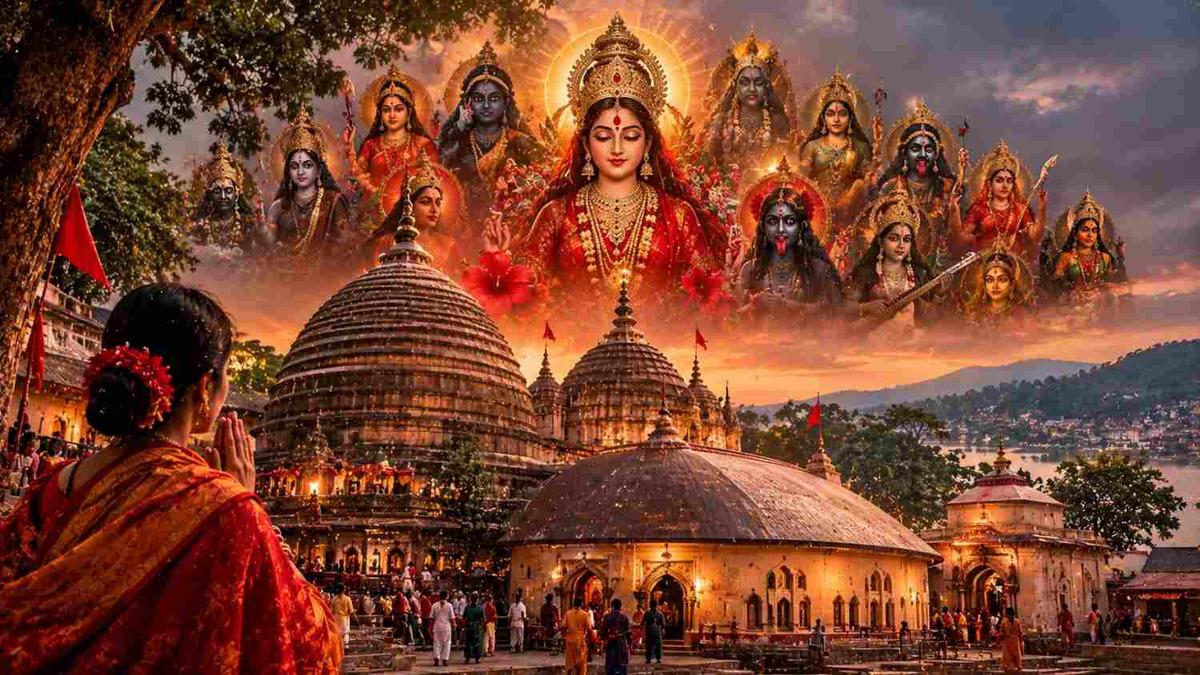
Dash Mahavidyas of Maa Shakti at Kamakhya
The Divine Mother has ten different forms of manifestation on the holy Nilachal Hill in Guwahati. These are known as the Dasha Mahavidya, and each represents a different aspect of Shakti. Some aspects

Winter in Tawang: Best time to visit & experience snowfall
Winters are a treat in Tawang. With snow-capped mountains, frozen lakes, and serene, meditative monasteries, the whole place comes alive with the magic that is associated with the Eastern Himalayas. A