Where Do Pilgrims Take the Makar Sankranti Snan? Explore India's sacred rivers and pilgrimage sites

RIYA SHARMA
HRDYAM - DISCOVER SACRED JOURNEYS, WISDOM & WELLNESS
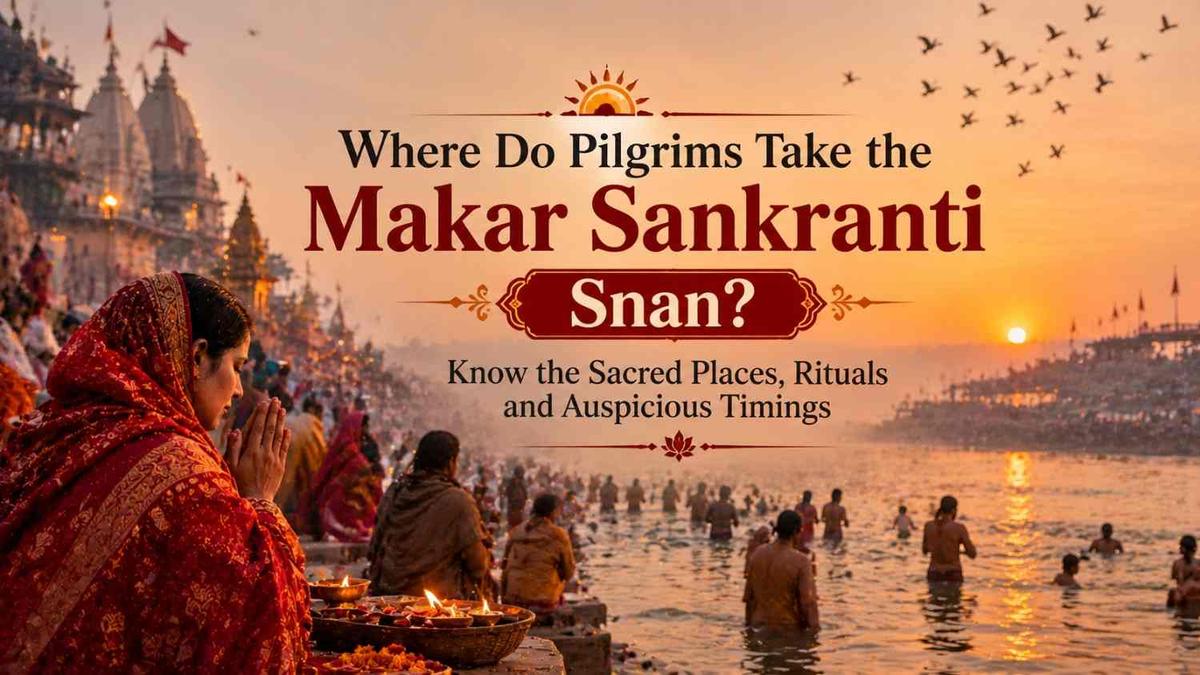
Devotees visit the banks of various holy rivers in India with flowers in their hands to take a purifying bath at dawn. While people from all across the country make the journey to places like Triveni Sangam (Prayagraj) and Gangasagar to celebrate Makar Sankranti, it is believed that taking a dip in these ‘sacred’ waters on this day helps you attain serenity, purity, and blessings.
This festival symbolises the transit of the Sun into Makara (Capricorn). People perform religious bathing, worship the Sun God, give alms, and offer foods like sesame seeds and jaggery. Although the traditions differ in various parts of the country, performing a sacred bath is a key part of the celebration.
Where do people go? During Makar Sankranti, many rivers, confluences, ghats, and water bodies become popular pilgrimage sites across the country.
Why is taking a holy dip important on Makar Sankranti?
Rivers in the Hindu tradition are considered sacred. Taking a dip in a sacred river or pilgrimage site (Snan) during Makar Sankranti symbolises purification. This festival marks when the sun enters the zodiac sign Capricorn, and therefore the auspicious time of Uttarayana.
Many people take an early morning bath, make offerings (Arghya) to Surya Dev, pray, and make donations (Daan). People commonly donate sesame seeds, Jaggery, grains, blankets, and food to people in need.
For many people on pilgrimage, taking part in this ritual has significant personal meaning. It allows people to release their past troubles, give thanks for what they have in life, and start a new chapter with devotion.
Where are the most important Makar Sankranti Snan destinations in India?

There are many places of religious bathing associated with Makar Sankranti. Some have large gatherings each year, and some are significant local pilgrimage sites.
Prayagraj, Uttar Pradesh- Triveni Sangam
One of the most popular places for taking a bath on Makar Sankranti is Prayagraj due to the Triveni Sangam. People visit this place to take a dip in the water, pray, and give donations.
Makar Sankranti is the first big festival of taking dips in the river during the Magh Mela. The riverbank has become a huge pilgrimage spot due to temporary huts, camps, and gatherings. Devotees, saints, and Kalpvasis take a bath in the river. They also perform prayers and penance.
Gangasagar, West Bengal
Gangasagar is an important pilgrimage site for Makar Sankranti in East India. It is located on Sagar Island in the state of West Bengal.
Pilgrims visit this attraction every year to take a holy bath in the confluence (Sagar Sangam) and visit the Kapil Muni Temple. This pilgrimage relates to a legend about the sons of King Sagar and Sage Kapil Muni. It is traditionally believed that the descent of the Ganga freed the souls of the king’s ancestors.
Due to the significance of the confluence, the temple and the annual festival, Gangasagar, take on particular importance during Makar Sankranti.
Haridwar, Uttarakhand- Har Ki Puri
Bathing in the Ganges here is very significant. People offer their prayers at this place called Brahma Kund in Har Ki Pauri.
This is an important destination for Hindu pilgrimage. People visit these ghats year-round. However, on the day of Makar Sankranti, it holds great significance as people take a bath (Snan), offer (arghya) to the rising sun, and take part in prayers on the river.
Many people will also perform prayers or visit local temples after taking a bath. Another key attraction here is to watch the evening Ganga Aarti at Har Ki Pauri.
Varanasi, Uttar Pradesh- The Ghats of Kashi
Kashi (Varanasi) is also considered significant for Snan. People take a dip in the holy river Ganga at Dashashwamedh Ghat, Assi Ghat, Panchganga Ghat, and many more places.
People are seen doing puja in the Kashi Vishwanath Temple and other religious places. In addition, people also donate food grains, sesame seeds, and many other things on this day.
With so many temples, rituals at the banks of the river, and constant worship of Maa Ganga, Kashi is very significant for pilgrims to get a great experience of both Snan and darshan.
Kurukshetra, Haryana- Brahma Sarovar and Sannihit Sarovar
The place is a sacred place (Dharmakshetra) related to the epic Mahabharata. Thus, people visit different holy waters such as Brahma Sarovar and Sannihit Sarovar during religious occasions.
Makar Sankranti is celebrated by performing prayers, reciting mantras, and acts of charity. Brahma Sarovar is also considered to be a highly holy place. People perform prayers here from a special ghat. The holy water of Kurukshetra is thus very significant, as it correlates with the holy and epic values of the place.
Ayodhya, Uttar Pradesh- The Saryu River
Makar Sankranti is celebrated in Ayodhya by taking a dip in the Saryu River. Pilgrims take a dip in the ghats situated along the banks of the river and perform prayers. They visit various temples such as Shri Ram Janmabhoomi Mandir.
The Saryu River is very significant in relation to religion in Ayodhya. Taking a dip in the Saryu River and visiting various sacred temples in the region makes this observance an important spiritual event for the devotees.
Nashik, Maharashtra- Ramkund on the Godavari
Godavari River is considered a sacred river (Dakshin Ganga) in Nashik. One of the most important bathing ghats in Nashik is ‘Ramkund ’, located in the Panchavati area. Devotees perform various rituals and prayers, as well as some heritage rituals, while bathing at this ghat.
Apart from its famous Simhastha Kumbh Mela, the ghats of Godavari are also considered significant sites of pilgrimage throughout the year. Devotees show their devotion at these ghats during Makar Sankranti.
Ujjain, Madhya Pradesh- Ram Ghat on the Shipra
Ram Ghat on the Shipra River, Simhastha Kumbh Mela is very popular in Ujjain. Pilgrims take a dip in the Shipra River. People may also perform snan and pray at the riverfront on Makar Sankranti to get darshan of Mahakaleshwar Temple.
These sites are part of a diverse range of places across India where people take a dip in water. Other examples include rivers in the Himalayas, confluence points, and historic temples.
When is Makar Sankranti in 2027?
In 2027, the Sun will enter Makara on 14th January at 9:14 PM IST. However, as it takes place post-sunset, for New Delhi, Drik Panchang considers the day of celebration and punya kaal to be on 15th January, 2027 (Friday).
| Detail | Date / time |
|---|---|
| Solar transition into Makara | 14 January 2027, approximately 9:14 PM IST |
| Makar Sankranti observance in New Delhi | Friday, 15 January 2027 |
| New Delhi Punya Kaal | 7:15 AM - 5:46 PM |
| New Delhi Maha Punya Kaal | 7:15 AM - 9:00 AM |
| Important note | Timings vary by location; confirm the local panchang and official bathing arrangements |
What rituals do devotees perform after the Makar Sankranti Snan?

Following the Snan, people may perform various acts of devotion and charity. These can vary depending on the location but commonly include:
Rituals performed on Makar Sankranti
| Ritual | What devotees do | Significance |
|---|---|---|
| Holy Snan | Take a ritual bath in a sacred river or water body | Spiritual purification |
| Surya Arghya | Offer water to the rising Sun | Gratitude and reverence to Surya Dev |
| Til Daan | Donate sesame seeds | Traditional act of charity |
| Annadaan | Offer food or grains to those in need | Generosity and service |
| Japa and Prayer | Chant mantras and recite sacred texts | Devotion and spiritual reflection |
| Temple Darshan | Visit nearby temples after bathing | Seek blessings and complete the pilgrimage |
In Gangasagar, following the Snan people typically visit the Kapil Muni Temple. In Prayagraj, people often perform devotional acts and prayers during the Magh Mela. People in Varanasi and Haridwar may also visit places of worship and perform Ganga Aarti in conjunction with their Snan.
How can pilgrims prepare for a safe Makar Sankranti Snan?
Be aware of busy times (especially early in the morning and during ‘auspicious’ bathing times). Taking some precautions will make your pilgrimage safer and easier.
- Check what bathing times are allowed, any official notices, and which ghats are accessible.
- Follow safety barriers, police, and lifeguards.
- Do not swim in deep or fast-moving water, particularly in the winter months.
- Those with children or elderly members of the family should ensure they are with someone.
- Wear warm clothing, bring towels, suitable footwear, and necessary medication.
- Avoid very busy banks of water. Do not push through queues.
- Do not use soaps/shampoos/ detergents in sacred water sources.
- Take care to dispose of floral offerings, food packaging, etc. appropriately.
If attending big events, such as Gangasagar Mela and Magh Mela, follow transport, safety, and emergency guidelines issued by the organisation. If not able to take a dip, it may still be meaningful to make a symbolic offering of water or prayer from a safe area.
Frequently Asked Questions
Which are the popular places for taking a bath (snan) on Makar Sankranti?
Popular places for taking a snan on Makar Sankranti are Gangasagar (West Bengal), Triveni Sangam (Prayagraj), Haridwar, and Varanasi.
Why do people visit Gangasagar on Makar Sankranti?
People visit Gangasagar to take a holy bath at the confluence of the river Ganga and the Bay of Bengal. They also visit Kapil Muni Temple. The Gangasagar Mela is held here.
Can people take a holy bath at Haridwar on Makar Sankranti?
Yes. Har Ki Pauri and other ghats of Ganga in Haridwar are popular places for taking a ritual bath. Please follow the guidelines provided by the local authorities.
Are rituals performed only at the River Ganga?
No. Ritual baths are performed in other sacred rivers such as Shipra in Ujjain, Godavari in Nashik, Saryu in Ayodhya, and in the holy lakes (Sarovars) of Kurukshetra.
What should be donated by devotees on Makar Sankranti?
Items like sesame seeds, jaggery, rice, grains, food, clothing, and blankets are commonly donated. Daan is an important ritual during this festival.
In 2027, on which date (14th and/or 15th) is Makar Sankranti celebrated?
Solar transit happens on 14th January at 9:14 PM IST. However, according to Drik Panchang, 15th January is celebrated as Makar Sankranti in New Delhi because the solar transit takes place after sunset. For accurate information for your location, please refer to the Panchang for that location.
Experience a sacred journey with HRDYAMDYAM
Discover the spiritual aspect of India by visiting the holy rivers, places of worship, and undertaking the pilgrimage. HRDYAM offers spiritual journeys and pilgrimage planning to guide you to meaningful destinations.
Gather in Triveni Sangam, attend the Gangasagar Mela, or visit the holy ghats in Haridwar/Varanasi with ease and comfort by planning your spiritual journey with us.
Take a look at the pilgrimage services we offer and guided pilgrimages to find what suits you best.
Conclusion
Whether it is Prayagraj, Gangasagar, Haridwar, Varanasi, Nashik, or Ujjain, Makara Sankranti is a sacred occasion to venerate rivers in India. Every place has different traditions, stories to tell, and a unique ambience. However, the common goal is to perform prayers, express gratitude, and purify oneself during this period. Be it a large pilgrimage site or be it a local holy river, this festival is ultimately about expressing devotion and being generous.
Spiritual travel researcher, Vedic cultural writer, and contributing editor at HRDYAM.
You Might Also Like
Tags
More Articles
View all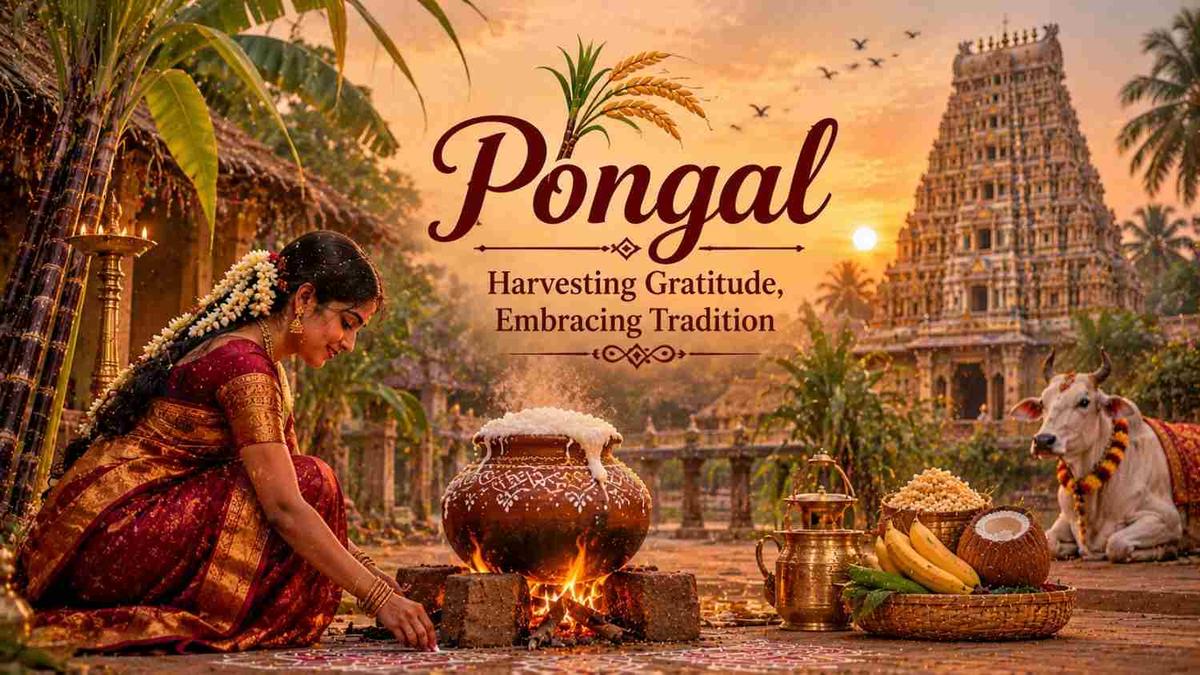
Pongal 2027: the four-day harvest festival of Tamil Nadu, its story, rituals, and celebrations
With the first rays of the winter sun on Tamil Nadu's fields, families gather in their courtyards to draw vibrant 'kolams' and cook freshly harvested rice in traditional clay pots. As the milk starts
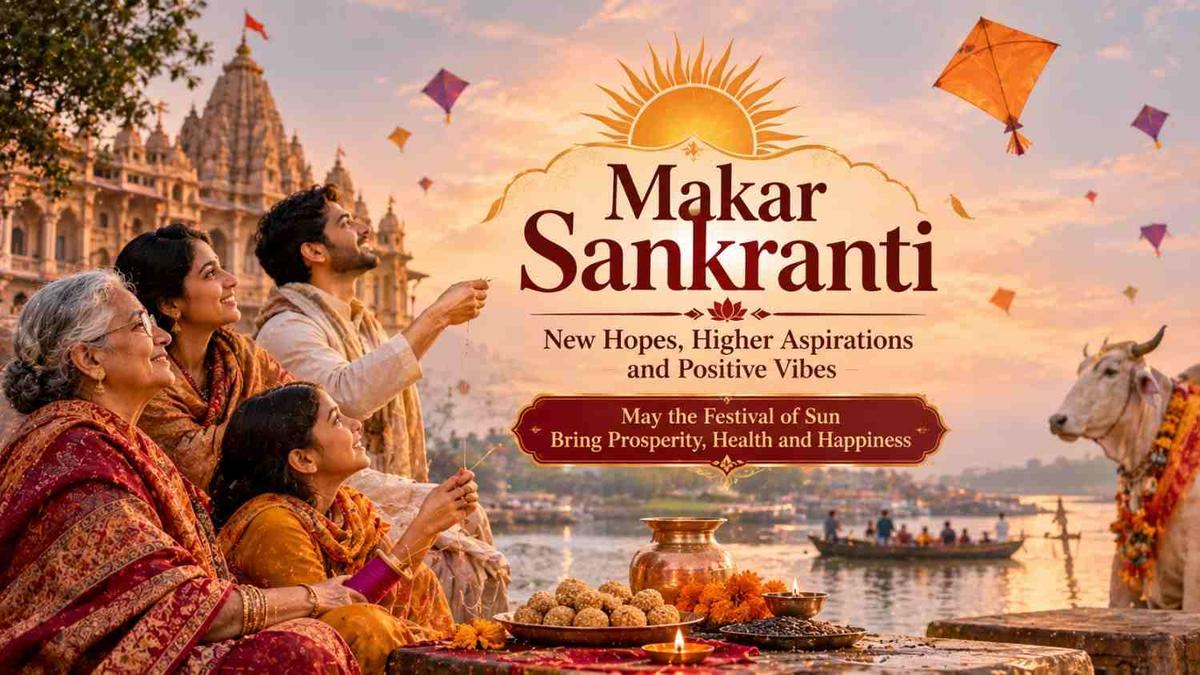
Makar Sankranti: Harvest festival, rituals & traditions of India
A beautiful tale from Hindu mythology tells us about the annual celestial event that happens when the Sun enters its new zodiac sign. The change brings with it new energy, growth, and longer days. Thi
Meditation & Healing with Nature: Full Moon Soul Retreat 2026
Want to experience a healing full moon retreat in the ancient forests of Kaziranga’s ancient forests? Come, be part of a transformative journey of healing and renewal through self-reflection, intentio