Pongal 2027: the four-day harvest festival of Tamil Nadu, its story, rituals, and celebrations

RIYA SHARMA
HRDYAM - DISCOVER SACRED JOURNEYS, WISDOM & WELLNESS
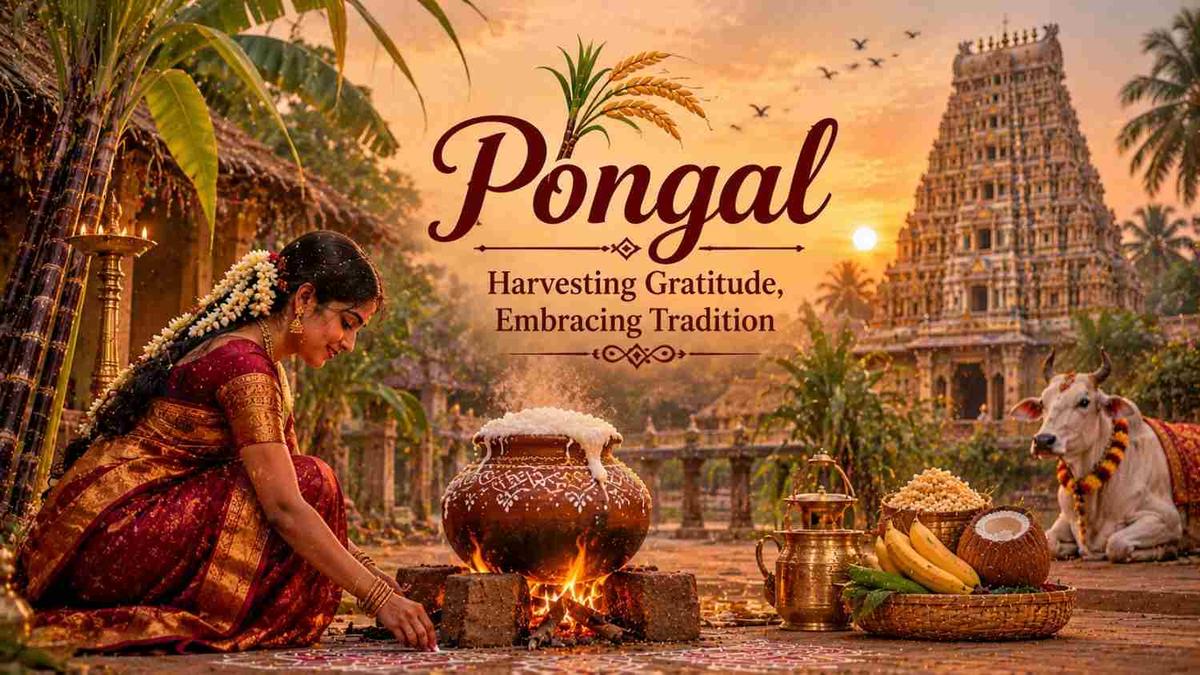
With the first rays of the winter sun on Tamil Nadu's fields, families gather in their courtyards to draw vibrant 'kolams' and cook freshly harvested rice in traditional clay pots. As the milk starts to bubble over the edge of the pot, voices can be heard shouting 'Pongalo Pongal!' This simple tradition of letting the milk bubble over carries deep meaning and shows how blessed we are and how grateful we should be for such a bountiful year.
Pongal is one of the most important harvest festivals in South India. It is celebrated most in Tamil Nadu. The festival is dedicated to the sun, nature, and animals. The festival runs over four days.
The main day of Thai Pongal will take place on 15th January 2027 (Friday). However the festival will run from 14th January (Bhogi) and will run until 16th January (Mattu Pongal), and then finally 17th January (Kaanum Pongal).
What is Pongal and why is it celebrated?
Pongal is a traditional harvest festival celebrated by Tamils to thank for a bountiful harvest. This is a traditional way of thanking for the bounty of the harvest and appreciating the natural phenomenon. Pongal means boiling over or overflowing, and this is the name given to this festival and also the special type of rice cooked.
This festival marks the beginning of the Tamil month of Thai. This usually falls in January and marks the sun entering Makara Rashi (Capricorn). This is also celebrated as Makar Sankranti in many parts of India. Traditionally, it is a time for farming communities to finish a major harvest.
Pongal is also known as Uzhavar Thirunal (Farmers’ Festival). The festival has great importance and shows gratitude towards farmers for producing food. This is because farmers, along with cattle, rain, sunshine, soil, and water, have contributed to creating food. This shows gratitude towards nature and how we are all connected to it.
What is the story and mythological significance behind Pongal?
There are many traditional tales related to the festival of Pongal. One very famous tale is that it is linked to Lord Indra, the god of rain and thunderstorms. As Indra is responsible for providing rain, he is an important figure in agriculture. Many times, the tradition of Bhogi has been linked to thanking the rain and letting go of old items.
Another famous tale relates to why Pongal is linked to cattle. Lord Shiva had sent his bull Basava to earth with a message to humans. He told him to tell everyone to have a shower every day but only have one meal. However, Basava mixed up the message and told everyone to have a meal every day and only shower once. Shiva was unhappy with this error, so he sent Basava down to earth to help farmers plough the fields so they could provide food. Traditionally, this is linked to the importance of cattle within agriculture and Mattu Pongal being celebrated.
The Sun is an important aspect of Pongal as crops need sunlight to grow and become ripe. Families cook sweet rice to serve to the Sun god Surya on the main day of Pongal to thank them for providing the warmth and light needed to have a successful harvest. The stories and rituals show that Pongal is about people, animals, and nature needing to be in balance for people to prosper.

When is Pongal in 2027, and what are the four festival days?
Pongal is celebrated over the course of four days. Each day has a different focus: house renewal, thanking the Sun, cattle, and family. 2027 dates:
- Bhogi - Thursday 14th January 2027
- Thai Pongal (Surya Pongal) - Friday 15th January 2027
- Mattu Pongal - Saturday 16th January 2027
- Kaanum Pongal - Sunday 17th January 2027
On the evening of 14th January 2027, the Sun will enter Makara Rashi. This means that Thai Pongal will be celebrated on the 15th January 2027, as it is the start of the Tamil month, Thai.
How is each of the four days of Pongal celebrated?
Bhogi Pongal
Bhogi is the first day of Pongal. It's a time to freshen up and start afresh. Each family will clean their house, get rid of any broken or unused items around the home, and create new Kolams at the entrance. As it is linked to Indra, the god of rain, it is an important day.
Some communities have a traditional fire on Bhogi made from old items around the home. This represents getting rid of the past and starting fresh. Now there are eco-friendly versions of Bhogi, so we should avoid burning plastics, rubber, and any harmful items. You can still show the spirit of Bhogi by tidying up, mending, donating, and properly recycling any unwanted items.
Thai Pongal
The main day of the festival is Thai Pongal; it is devoted to the Sun God called Surya. Everyone gets up early; they make beautiful designs using coloured kolams in the courtyard and cook a special dish made from fresh rice, milk, and jaggery. Traditionally, everyone cooks outside in a new clay pot.
While the mixture of rice and milk is boiling over, people shout "Pongalo Pongal!" This represents that there will be lots of wealth and abundance for the family. The meal is offered to Surya first as an offering; it is also offered with sugarcane, bananas, and other seasonal items. The family eats the meal and enjoys their time together.
Mattu Pongal
The third day of Pongal is Mattu Pongal, which honors cattle that have been used in traditional farming villages to help people plough fields and carry produce. This day thanks the cattle.
The cattle are washed before they are painted on their horns and given colorful decorations, bells, and jewelry. Special food is made to give to the cattle. In some areas of Tamil Nadu, Mattu Pongal is celebrated with Jallikattu, which means bull taming. This is practiced in places like Madurai, Sivaganga, and Pudukkottai. This is a unique celebration and follows relevant laws and safety rules.
Kaanum Pongal
Kaanum Pongal is the last day of Pongal celebrations. The word kaanum means to see, so it is customary to visit family and friends. You can meet up with your family and go out with your friends.
Some families will have their women carry out traditional rites to ensure the health of their brothers and family members. Some families may cook special food and enjoy outdoor celebrations. This day is the end of Pongal celebrations, as it shifts the focus to relationships, togetherness, and community.
What are the traditional foods prepared during Pongal?
Food is an essential part of the Pongal celebration, as it is a harvest festival. The most important thing to prepare is Pongal.
A traditional sweet dish called Sakkarai Pongal is prepared using rice, jaggery, milk or water, ghee, cardamom, and cashew nuts. This is offered to Surya on the day of Thai Pongal and then shared with your family. Another popular food to eat is Ven Pongal, which is a savoury dish made with rice, moong dal, pepper, cumin, and ghee.
Other foods eaten are sugarcane, coconuts, bananas, vadai, payasam, murukku and traditional sweets like adhirasam. Depending on the household, you may have different ingredients and recipes; however, it is an important part of the celebration to share a meal together to show your thanks and hospitality.
Where can you experience Pongal celebrations in Tamil Nadu?

Pongal is celebrated throughout Tamil Nadu, but certain destinations offer visitors an opportunity to experience its agricultural, religious, and cultural traditions more closely.
Madurai: Madurai is particularly known for its Pongal celebrations and the Jallikattu events held in the surrounding region. Alanganallur, in Madurai district, is especially associated with this traditional bull-taming event. Visitors can also explore Meenakshi Amman Temple and the city's historic markets.
Thanjavur: Known for its fertile agricultural landscape and association with the Cauvery delta, Thanjavur offers a closer connection with the farming traditions behind Pongal. Visitors can explore the Brihadeeswarar Temple, traditional villages, and the region's rich cultural heritage.
Chennai: The state capital celebrates Pongal through decorated homes, cultural programmes, traditional food and community events. Visitors can explore Kapaleeshwarar Temple, Marina Beach and local markets during the festive period.
Coimbatore: Located near the Western Ghats, Coimbatore offers access to rural communities, agricultural landscapes and temple destinations. Its surrounding villages provide opportunities to observe traditional harvest celebrations.
Trichy: Tiruchirappalli combines temple heritage with the agricultural traditions of the Cauvery region. Visitors can explore the Sri Ranganathaswamy Temple at Srirangam and the Rockfort Temple while experiencing the festive atmosphere.
Pongal is also celebrated in Puducherry and among Tamil communities across India and abroad, making it an important expression of Tamil cultural identity.
How is Pongal different from Makar Sankranti and other harvest festivals?
These two festivals are highly related to each other since they are connected to the sun moving into Makara Rashi. However, they have different customs and traditions associated with them. Pongal is a very traditional Tamil festival that lasts for 4 days. There are special ceremonies held for the Sun, cattle, and Family.
Across India, there are many different harvest festivals celebrated. In Punjab, Lohri is widely celebrated. In Assam, it is Magh Bihu, and in Gujarat, it is Uttarayan.
Despite having different names and traditions, they all have a similar meaning behind them. We thank nature for helping us in our lives. Celebrating the change in season, harvest and hoping for prosperity in the future.
Frequently Asked Questions
When is Pongal celebrated in 2027?
Thai Pongal will take place on Friday, the 15th of January 2027. The festival begins on the 14th of January 2027 with Bhogi and lasts four days until Kaanum Pongal.
Why is Pongal known as the Harvest Festival?
Pongal celebrates the harvest season and thanks the sun, nature, cattle, and farmers for enabling a prosperous agricultural season.
What does Pongal mean in Tamil?
The name Pongal means boil in Tamil. This is due to the traditional rice dish that is cooked throughout the festival. It represents a time of abundance.
How many days does Pongal last?
Traditionally, Pongal is celebrated over four days: Bhogi, Thai Pongal, Mattu Pongal, and Kaanum Pongal.
Which God is worshipped during Thai Pongal?
During Thai Pongal, we worship Surya (the Sun God). This is done by families cooking sweet rice and offering it to the sun. It is a way to thank the sun for providing light and resulting in a good harvest.
Why is sugarcane important during Pongal?
Sugarcane is a seasonal crop and an important signifier of a good harvest. It is often displayed during Pongal.
Is Pongal the same as Makar Sankranti?
These two festivals are very similar and often fall on the same day when the sun enters Makara Rashi. However, Pongal has unique traditions within Tamil culture and lasts 4 days.
Where is Jallikattu celebrated?
Jallikattu is traditionally celebrated across parts of Tamil Nadu. This includes areas such as Madurai, Sivaganga, and Pudukkottai. A popular place to celebrate is Alanganallur.
How can HRDYAM help you explore the spiritual side of Pongal?
Pongal is more than a harvest celebration; it reflects the relationship between people, nature, and faith. Exploring Tamil Nadu during this festival offers travellers an opportunity to experience its temple traditions, regional food, village celebrations and cultural heritage.
HRDYAM brings together spiritual travel planning and meaningful pilgrimage experiences, helping travellers discover destinations through their religious significance and local traditions.
From exploring historic temples to planning assisted pilgrimage experiences, visitors can discover HRDYAM Services and Assisted Pilgrimage to organise their journeys.
Conclusion
The most meaningful aspects of Tamilians’ lives come together during Pongal. It is a celebration of farming, family, nature, food, and spirituality. As well as celebrating the sun, cows, and farmers, it marks the start of an auspicious month in the Tamil calendar - Thai. Whether you experience Pongal in a busy city or a traditional village, it gives an insight into a culture that still places importance on thanking and being grateful. The message behind this festival is that the best way to celebrate success is by sharing it.
Spiritual travel researcher, Vedic cultural writer, and contributing editor at HRDYAM.
You Might Also Like
Tags
More Articles
View all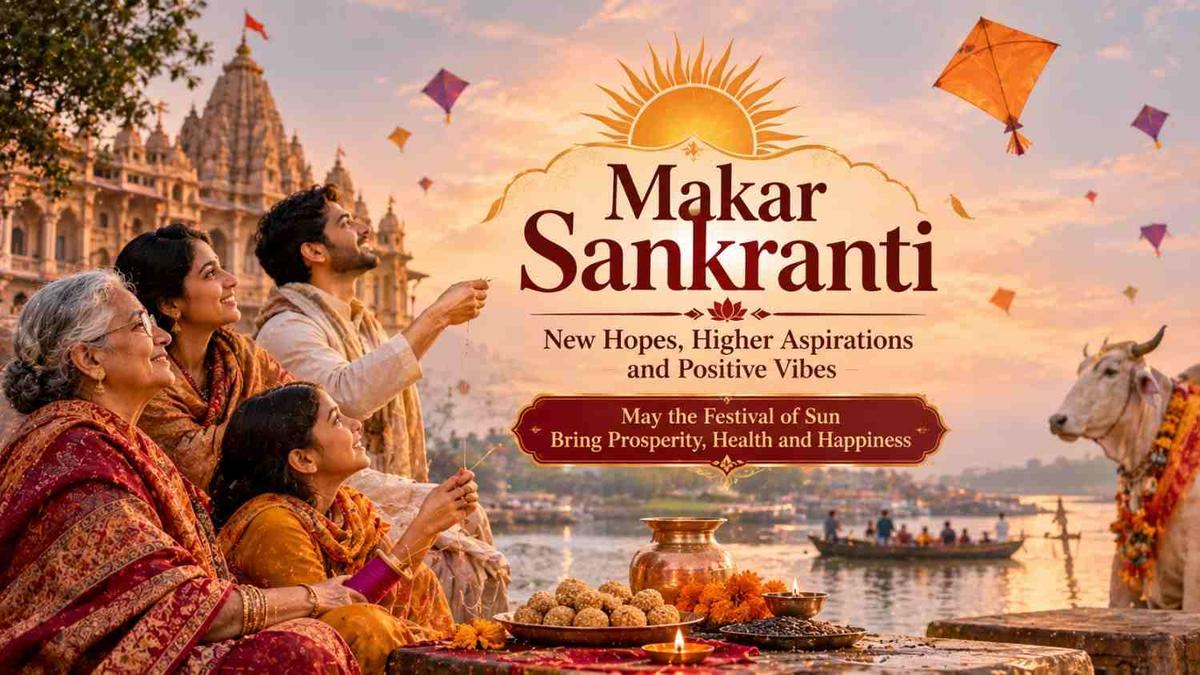
Makar Sankranti: Harvest festival, rituals & traditions of India
A beautiful tale from Hindu mythology tells us about the annual celestial event that happens when the Sun enters its new zodiac sign. The change brings with it new energy, growth, and longer days. Thi

Meditation & Healing with Nature: Full Moon Soul Retreat 2026
Want to experience a healing full moon retreat in the ancient forests of Kaziranga’s ancient forests? Come, be part of a transformative journey of healing and renewal through self-reflection, intentio
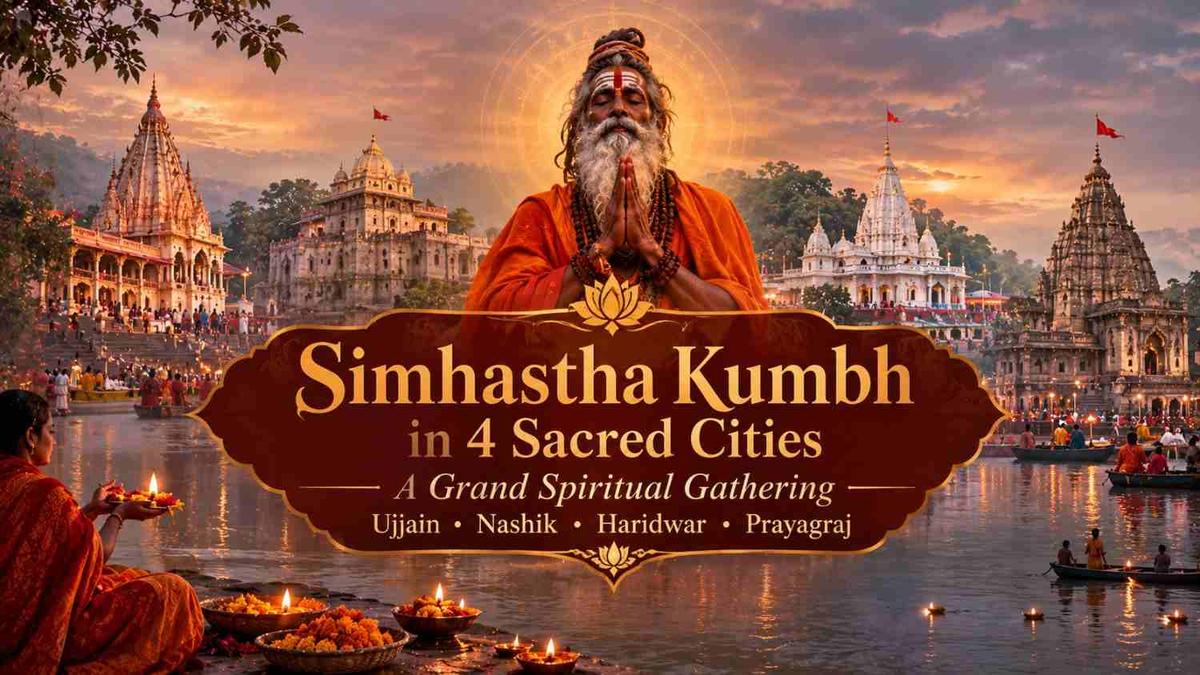
Simhastha Kumbh: The sacred Kumbh Tradition across four pilgrimage cities
Every few years, millions of devotees embark on a spiritual journey to some of India's most holy rivers. Sadhus visit with their Akhadas, and Temple towns prepare to welcome pilgrims. The incredible g