Aswaklanta Temple
Dedicated to Lord Vishnu
About This Temple
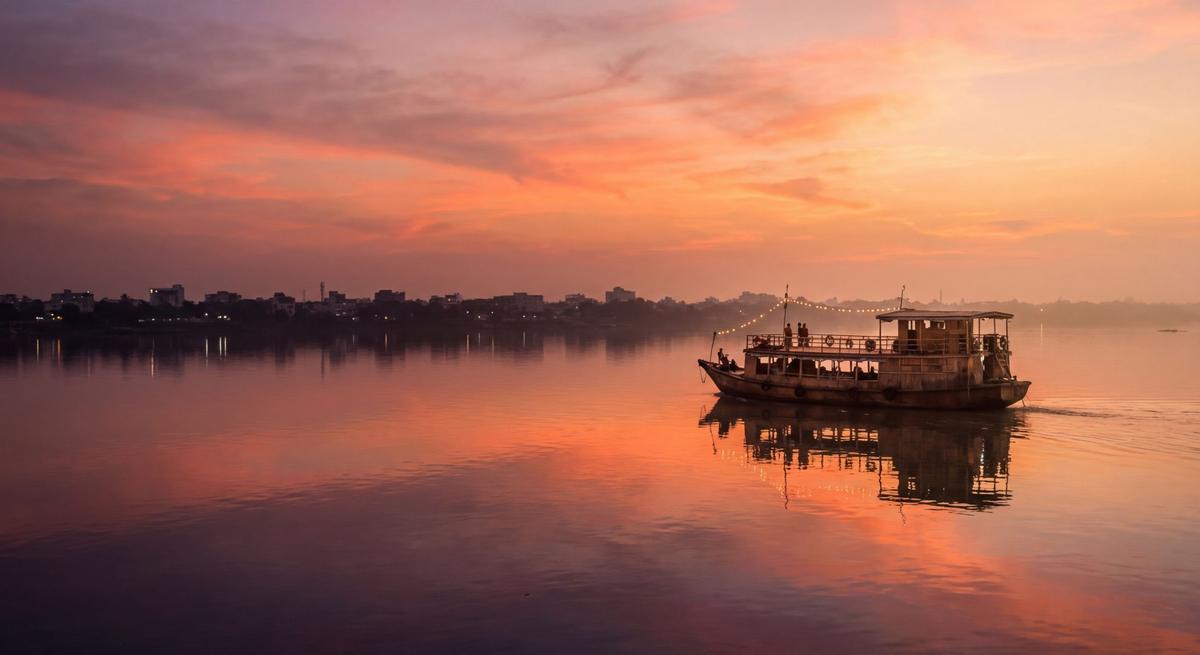
Aswaklanta Temple sits on the northern bank of the Brahmaputra in North Guwahati, reached by ferry from the Guwahati side or by road across the Saraighat bridge. The temple was built in 1720 AD by Ahom king Siva Singha and is dedicated to Lord Vishnu. It houses two principal images, one of Janardana and one of Anantasayi Vishnu, the reclining form. The Anantasayi sculpture is a fine specimen of early mediaeval art dated to about the eleventh century, considerably older than the Ahom structure built around it. The name is traditionally explained from ashwa, meaning horse, and klanta, meaning tired, recalling the legend that Lord Krishna's horse rested here during his search for Narakasura. The great Assam earthquake of 1897 damaged the temple, and it was repaired in 1901 under the patronage of the then Viceroy, Lord Curzon. The riverbank below the temple is used for Shradha and ancestral rites, and the site offers wide views across the Brahmaputra toward Guwahati city.
What's Included
All services, accommodations, and amenities covered in this package
Day-by-day sacred itinerary will be customized to your darshan schedule and arrival timings.
The HRDYAM Difference
Unmatched VIP darshan, lineage pandits, and curated pilgrimage comfort
How it Works
Effortless planning, dedicated concierge support, and seamless pilgrimage experiences.
Choose Yatra
Select your sacred destination or fill a short form to share your dates and group size.
Personal Curation
Our yatra experts customize your VIP darshan passes, comfort stays, and private transit.
Start Journey
Experience divine connection with dedicated yatra captains and verified local pandits.
Let us help you plan your next sacred journey
Perfect Pilgrimage come True
Connect with our Astrologers
Enhance your spiritual journey with personalised guidance from our expert Vedic astrologers.

Tanmay Gupta
4+ yrs experience

Shivangi Sharma
5+ yrs experience

Dr Vaibhav Shri
6+ yrs experience

Dr. Aaadietya Pandey
35+ yrs experience
Got Questions?
Frequently Asked Questions
Aswaklanta Temple is on the north bank of the Brahmaputra in North Guwahati, Assam, reachable by ferry from Guwahati or by road via the Saraighat bridge.
The temple was built in 1720 AD by the Ahom king Siva Singha.
The temple is dedicated to Lord Vishnu and contains two principal images, one of Janardana and one of Anantasayi Vishnu in the reclining form.
The reclining Anantasayi Vishnu sculpture is dated to around the eleventh century, making it substantially older than the eighteenth-century Ahom temple built around it.
The name is traditionally derived from ashwa, meaning horse, and klanta, meaning tired, from the legend that Lord Krishna's horse rested here while he searched for Narakasura.
Yes. The temple was damaged in the great Assam earthquake of 1897 and was repaired in 1901 under the patronage of Lord Curzon, then Viceroy of India.
Yes. The Brahmaputra riverbank below the temple is commonly used for Shradha and other ancestral rites.
The temple is generally open from around 6:00 AM to 6:00 PM daily. Timings may extend during major festivals.
Visitors can take a ferry across the Brahmaputra from the Guwahati side or drive across the Saraighat bridge, which takes roughly 40 minutes by road.
Dirgheshwari Temple, Doul Govinda Temple, Manikarneswar Temple, and Rudreswar Temple are all in the North Guwahati area and are commonly visited together.