Hinglaj Mata: Where faith crosses every border

RIYA SHARMA
HRDYAM — India's AI-powered spiritual platform for astrology, pilgrimage, puja, and wellness
- 1.A legacy carried through time
- 2.The sacred heart of Shakti
- 3.Carved by earth, blessed by Shakti
- 4.Every mile, an act of faith
- 5.Moments of grace in the Wilderness
- 6.When the desert comes alive
- 7.Following an Ancient Pilgrim's Trail
- 8.Distance from Major Cities
- 9.Crossing borders with care
- 10.Comfort along the sacred route
- 11.Three days beneath the desert sky
- 12.Day 1: Arrive in Karachi
- 13.Day 2: Hinglaj Mata Darshan
- 14.Day 3: Explore& Return
- 15.Sacred wonders beyond Hinglaj
- 16.Where culture meets devotion
- 17.Travel wisely, walk humbly
- 18.Stories hidden in the sands
- 19.Voices from history and faith
- 20.Let the journey be your only focus
- 21.A pilgrimage written in the sands
The journey to some temples starts with the sound of temple bells. However, when it comes to the pilgrimage to Hinglaj Mata Temple, the starting point of this journey is not sound but silence - the silence of the Makran Desert where mountains, rivers, and arid land prevail instead of temples. As soon as the pilgrims start approaching the temple, they understand that this journey can be perceived only as an act of faith, fortitude, and dedication.
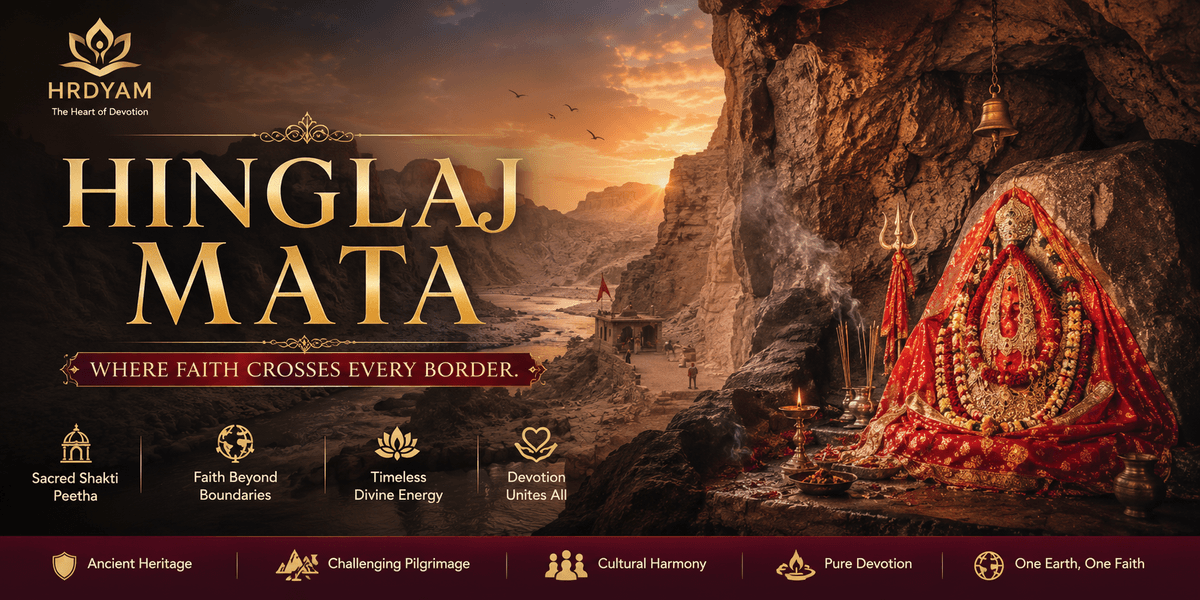
Located inside Hingol National Park in Balochistan, Pakistan, Hinglaj Mata Temple is one of the unique Shakti Peethas in the Indian subcontinent. This temple differs from the other temples, which are marked by shikharas and intricate carvings, because here the temple is a natural cave, and this is the place where the Goddess is worshiped in her pristine form. According to the holy legend, the Brahmarandhra (top of the head of Sati) has fallen down here after Lord Vishnu stopped Lord Shiva's wanderings by using the Sudarshana Chakra. For centuries, this place has been considered one of the most sacred places for the Mother Goddess.
Hinglaj Mata Temple enjoys the nickname 'Nani Mandir' among many local tribes who worship at this place. This tradition reveals how special the relationship is among people of different religions who have been practicing it for a very long time. Every year, the pilgrimage to the Hinglaj Mata includes the Hinglaj Yatra when believers from Pakistan visit the temple and when conditions allow, devotees from India do the same journey through deserts and rough terrain to get blessings of the Goddess. Unlike regular visits to temples, the pilgrimage to Hinglaj requires more patience, perseverance, and dedication.
When one gets an opportunity to visit Hinglaj Mata, they will see the perfect combination of mythological stories, nature, and the history of the place. No temple halls and marketplace are present around this temple. Ancient hills, the Hingol River, and caves, where people used to come for worship for centuries, are located here. If you are interested in studying 51 Shakti Peethas, exploring the common spiritual heritage of India, or going on the most unique pilgrimage, Hinglaj Mata Temple is the place you should visit.
| Particular | Details |
|---|---|
| Temple Name | Hinglaj Mata Temple (Hinglaj Devi Temple / Nani Mandir) |
| Location | Hingol National Park, Lasbela District, Balochistan, Pakistan |
| Presiding Deity | Goddess Hinglaj Mata (a form of Adi Shakti) |
| Religious Significance | One of the 51 Shakti Peethas |
| Sati Body Part Believed to Have Fallen | Brahmarandhra (the top of the head or crown of Goddess Sati) |
| Bhairava | Bhimalochana Bhairava |
| Temple Type | Natural cave shrine |
| Local Name | Nani Mandir / Nani Mata Temple |
| Situated In | Hingol National Park, along the Hingol River |
| Main Pilgrimage | Annual Hinglaj Yatra (usually held in April) |
| Nearest Major City | Karachi (approximately 250-300 km away) |
| Nearest Airport | Jinnah International Airport, Karachi |
| Best Time to Visit | October to March for pleasant weather; April for the annual Hinglaj Yatra |
| Temple Timings | Generally open throughout the day; rituals and darshan depend on the pilgrimage schedule and local management. |
| Managed By | Local temple committee and the Hindu community of Pakistan |
Unlike the majority of Shakti Peetha sites, Hinglaj Mata is situated within a national park instead of a pilgrim town. The travel towards the temple is regarded as part of the spiritual pilgrimage, which leads devotees across awe-inspiring desert terrain, rugged hillocks, and Hingol River Valley. Being a remote site with age-old customs, Hinglaj Mata makes for a unique pilgrimage site dedicated to the Divine Mother.
A legacy carried through time
The history of Hinglaj Mata Temple is founded on one of the most profound myths of Hinduism - that of the sacrifice of Goddess Sati. During a yajna performed by King Daksha, he insulted Lord Shiva. Being unable to endure the disrespect towards her husband, Sati committed self-immolation. Overwhelmed with grief, Shiva carried the body of his wife and roamed around the universe. In order to bring harmony to the world again, Lord Vishnu sent his Sudarshana Chakra and separated the body of Sati into fragments, turning the places where each fragment fell into Shakti Peetha.
According to ancient traditions, the Hinglaj Mata Temple is the place where the Brahmarandhra, the top of the Goddess Sati's head, fell. In yogic practices, Brahmarandhra stands for the Sahasrara Chakra, the center of spiritual awakening and merging with God. Such symbolic representation of Hinglaj Mata makes this temple unique compared to the other 51 Shakti Peethas.
Contrary to popular opinion regarding famous temples constructed by kings or dynasties, Hinglaj Mata's origin is closely associated with the natural environment around her. The temple itself is a sacred cave which is considered a place of worship from ancient times, even before temples gained popularity. Centuries back, trade caravans, sanyasis, and pilgrims traversing along the ancient routes linking Sindh, Gujarat, and Balochistan carried forward their traditions and beliefs, and narrated stories of the Goddess to the next generation.
One such outstanding feature of the temple is its unique cultural heritage. Hinglaj Mata temple is locally referred to as Nani Mandir, and the Muslim population residing in Balochistan reverentially addresses the Goddess as Nani Pir. It clearly demonstrates the long-standing cultural harmony in the region where the temple has been revered by followers of various religions. Thus, even today when the political geography of the region has undergone a lot of change, Hinglaj Mata Temple still remains an important pilgrimage spot.
The sacred heart of Shakti

Out of 51 Shakti Peethas, there is one which is considered very special for the Hindus. Not only because of the fact that it has a very long and old history, but mainly because Hinglaj Mata Temple is one of those rare temples which has stayed a cave temple all along since ancient times. Located in the rocky terrain of Hingol National Park, this temple teaches people that the Divine Mother does not reside only in the magnificent temples, but also in mountains, rivers, caves, and in nature itself.
According to Devi Bhagavata Purana, Kalika Purana, and other Shakta literature, Hinglaj is believed to be the holy place where the Brahmarandhra, or the top of the head of Goddess Sati, fell. Brahmarandhra is understood to be the gate through which one gets spiritual liberation and becomes enlightened. Therefore, many believers consider that pilgrimage to Hinglaj Mata is not only an act of receiving blessings, but also self-transformation.
In this place, the Goddess is worshipped under the name of Hinglaj Mata, and her associated Bhairava is known as Bhimalochana. The distinction of this temple from other temples is that in the former, the presence of the deity is not expressed through its elaborate idol, but through the cave in which the sanctity is contained. Such simplicity was kept intact for many generations, maintaining the purity and ancientness of the atmosphere of early Shakti worship.
The path to the cave of Hinglaj Mata can be said to itself represent a sacrifice of devotion. It passes through harsh terrain such as deserts, mountains, and valleys. This is perhaps why Hinglaj is unique among other Shakti Peethas - one learns that the sacred does not have to appear at the end of an easy way.
Carved by earth, blessed by Shakti
Unlike other renowned temples of the Indian subcontinent, Hinglaj Mata Temple never had high gateway structures, intricate carvings, or sprawling courtyards. Rather, its architecture lies in the fact that it is not constructed but discovered. It is a natural cave in the rocky terrain of Hingol National Park where the environment itself is the temple. In this way, nature becomes the sanctum, while the hills themselves become the walls of the shrine.
Inside the cave, the Goddess is worshipped in a simplistic form and not as an idol. The environment of worship here is purposefully plain so that the importance of prayer is highlighted. Devotees enter the cave with folded hands, place their offerings of coconuts, flowers, vermilion, and prayer, and leave the cave with the impression that they have visited one of the most ancient centers of Shakti worship.
Equally fascinating are the surroundings of the shrine. Situated at the edge of the Hingol River, the temple has around it the rock formations, desert valleys, and cliffs created by nature over the course of many thousands of years. Passing through Hingol National Park - the largest national park in Pakistan, which features many geological wonders, including Princess of Hope, Sphinx of Balochistan, mud volcanoes, and a unique desert ecosystem - the pilgrimage gains a unique flavor different from all other Shakti Peethas in the Indian subcontinent.
And this might be what makes Hinglaj Mata unique. Cave, mountains, the river, and silence are part of the worship process. It is hard to separate the temple from its surroundings, as everything in its vicinity is sacred. For the faithful, this combination of natural and spiritual gives Hinglaj Mata its exceptional status among places of devotion in the Shakta religion.
Every mile, an act of faith
To many devotees, it is more than a visit to a temple; it is an ultimate test of faith and devotion. This journey differs from other pilgrimages as the pilgrimage starts much before arriving at the holy shrine because the travelers need to go through the vast stretches of land of Balochistan province and reach a place far away from the sounds of city life. Instead, they get closer to nature as they go through the mountains and deserts and the river valleys along their journey.
The annual event of Hinglaj Yatra, which takes place in April every year, attracts thousands of Hindus from all over the country. Traditionally, the pilgrims start off their journey from Karachi and move through the Makran Coastal Highway until they reach Hingol National Park. They visit several shrines during their travels, pray and sing devotional hymns called bhajans along the way. Many pilgrims are elderly travelers having an immense amount of devotion towards Mata Shakti.
The most sacred stoppage during the yatra is at Chandragup, which is also known as the holy mud volcano. Here pilgrims are expected to climb the volcano and do penance by confessing their sins and praying for forgiveness in the process. This ritual, as well as the whole pilgrimage to Hinglaj Mata, signifies that the journey to the shrine should not only end in reaching the Goddess but also in freeing oneself of his or her sins.
At the moment of entering the cave of Hinglaj Mata, the pilgrim feels that he or she has been changed throughout the course of this trip. The darshan itself takes place very quickly, but it has meaning for all the days when you travel there with faith and determination. Maybe that is the reason why people always remember the Hinglaj Yatra after the pilgrimage - not because it is an easy journey, but because each step taken there is like a sacrifice for the Goddess.
Moments of grace in the Wilderness

Unlike other shrines in India, a pilgrimage to Hinglaj Mata Temple is not the same as the rest of them. There is no queue at specific times, temple corridors, nor aarti at regular intervals called out using a loudspeaker. Instead, the temple is a cave, where the attention is always focused on the worshipper and not on any kind of ritual that would make it more complex.
The worshippers visit the temple cave without shoes, taking offerings like coconut, red chunari, flowers, dhoop, kumkum, and sweets. They pray to the Goddess and then stay for a while in the cave and leave space for other pilgrims. Every year during Hinglaj Yatra, the cave is bustling with devotees who are performing bhajans, prayers, and rituals.
Unlike other well-established temples, the visiting hours of Hinglaj Mata Temple are not fixed. The temple can normally be accessed during daytime hours, whereas the timings for rituals vary according to the pilgrimage period, local temple management, and prevailing weather conditions. Considering that the temple is situated in a remote national park, it is imperative to check the recent updates regarding travel and local conditions before planning to visit the place.
As a sacred place, visitors must wear modest clothes, maintain silence within the cave, and follow local norms. Taking photographs is limited in some parts and during rituals; thus, it would be better to get permission from the locals before taking photos. Most importantly, Hinglaj Mata makes it clear that devotion cannot always be expressed through pompous acts, but sometimes a simple prayer in an old cave says more than anything else.
When the desert comes alive
Though Hinglaj Mata Temple is a holy place all year round, the experience of visiting this shrine differs according to the seasons. The location of the temple in the deserts of Balochistan brings about very hot summers, and therefore one should plan accordingly in order to make the pilgrimage comfortable.
The most significant religious festival is the Hinglaj Yatra, which takes place annually in April. This pilgrimage involves travelling together to the shrine for thousands of Hindu devotees from various regions in Pakistan, including Karachi. This involves devotional singing, communal eating, traditional rites, and praying at various sites like Chandragup Mud Volcano until they arrive at Hinglaj Mata Cave. For some pilgrims, attending this festival becomes a one-time spiritual experience in their lives.
For those who wish to have a peaceful visit, the months of October to March become the best period to visit. This is because the weather becomes cool, making it easy to visit the Hingol National Park. In addition, visitors can take advantage of this time to visit the holy shrine without the crowds that take place during the annual yatra festival.
Given that Hinglaj Mata Temple is situated in an isolated part of Pakistan, it would be worthwhile to ensure that one is aware of the current travel alerts, weather, and entry information before setting out on the trip. However, with careful preparations, a trip to Hinglaj Mata Temple turns into much more than just a temple visit; it becomes a journey to a unique spiritual and natural region of South Asia.
Following an Ancient Pilgrim's Trail
Accessing the Hinglaj Mata Temple is different from visiting other pilgrimage sites in the subcontinent of India. The temple is located deep inside the Hingol National Park in Balochistan, Pakistan. It is only accessible by road after covering vast areas of desert and mountainous landscape. Though the travel demands a lot of planning, it forms an unforgettable part of the pilgrimage journey.
| Mode of Transport | Details |
|---|---|
| By Air | The nearest airport is Jinnah International Airport, Karachi, Pakistan's largest international airport. From Karachi, pilgrims continue by road to the temple. |
| By Road | The temple is approximately 250-300 km from Karachi via the Makran Coastal Highway (N-10). The drive usually takes 5–7 hours, depending on road conditions and stops along the route. |
| During Hinglaj Yatra | Many devotees travel in organised pilgrimage groups or convoys, making the journey safer and more convenient. These groups often arrange transport, meals, and overnight halts. |
| Local Transport | Public transport directly to the shrine is limited. Private vehicles or organised pilgrimage transport are the most practical options. A portion of the journey may require walking over uneven terrain to reach the cave shrine. |
Distance from Major Cities
| City | Approximate Distance | Travel Time |
|---|---|---|
| Karachi | 250-300 km | 5-7 hours by road |
| Hub, Balochistan | ~170 km | 3-4 hours |
| Hyderabad (Pakistan) | ~400 km | 7-8 hours |
| Quetta | ~700 km | 11-13 hours |
| New Delhi (via Karachi) | Varies | Depends on international travel arrangements |
Crossing borders with care
Pilgrimage to the Hinglaj Mata temple demands more planning than other pilgrimages to the Shakti Peetha, considering that the temple is in Balochistan, Pakistan. Pilgrims must have prior knowledge of the visa and entry requirements and the current travel advisories that may change.
Indian travelers will require a valid Pakistani visa before traveling. This is due to changes that may occur in the diplomatic ties between both countries and cross-border travel policies. Therefore, pilgrims from India need to be up to date with the current instructions on the visa application and other travel requirements. Pilgrims from other countries also need to confirm the visa and other requirements according to their nationalities.
As the temple is located within the Hingol National Park, pilgrims will need their passports, visa, and identity cards with them throughout the trip. In the annual Hinglaj Yatra pilgrimage program, pilgrims receive help in traveling and accommodation.
It will be good before traveling to:
Refer to the latest travel advisories issued by the foreign affairs department of your country.
Make sure to have good travel insurance covering international travel and medical emergencies.
Have enough cash with you since there will not be many places to make online transactions and ATMs in the remote areas.
Be respectful of the local laws and traditions, especially when passing through areas rich in cultural heritage.
Always try to travel in groups or with local guides who know the place well.
While getting to Hinglaj Mata will require some extra effort, devotees usually consider the pilgrimage journey one of the most rewarding experiences of their life.
Comfort along the sacred route
Due to the fact that Hinglaj Mata Mandir is situated in an inaccessible region of Hingol National Park, there are very few places to stay close to the place of worship. Most people who go on a visit are members of the Hinglaj Yatra held each year; otherwise, they stay in Karachi, which acts as the gateway to this pilgrimage. Many travelers prefer a specialised pilgrimage to have a comfortable darshan.
| Category | Approximate Budget (per night) | What to Expect |
|---|---|---|
| Pilgrim Camps (During Hinglaj Yatra) | Usually free or donation-based | Temporary camps with basic sleeping arrangements, community meals (langar), and shared facilities organised by pilgrimage committees. |
| Budget Hotels (Karachi) | PKR 4,000-8,000 | Clean, comfortable rooms with essential amenities, suitable for pilgrims and budget travellers. |
| Mid-range Hotels (Karachi) | PKR 8,000-15,000 | Air-conditioned rooms, restaurants, Wi-Fi, and convenient access to the airport and major highways. |
| Premium Hotels (Karachi) | PKR 15,000+ | Luxury accommodation with modern facilities, ideal for international travellers or families seeking additional comfort before the journey. |
The majority of devotees initiate their journey from Karachi and stay overnight there before traveling early to Hinglaj Mata. In Hinglaj Yatra, arrangements for transport, food, and overnight stays can be made by organized groups so that the devotees do not have to worry about logistics and can concentrate only on the spiritual aspect of the trip.
As the temple is situated in a protected national park, one cannot expect any commercial hotels and restaurants around the site. One must take some essential items like drinking water, food, necessary medicines, and comfortable clothes with them. Booking accommodations in Karachi beforehand will help ensure a stress-free trip.
Three days beneath the desert sky

It is more important for a trip to Hinglaj Mata Temple because it involves as much importance to travel as visiting the temple itself. Since the place is inside Hingol National Park, allocating three days’ time helps one travel comfortably along with enjoying the spiritual and natural beauty of the area.
Day 1: Arrive in Karachi
| Time | Activity |
|---|---|
| Morning / Afternoon | Arrive in Karachi and check in to your hotel. |
| Afternoon | Visit a local temple (if time permits) or explore Karachi's cultural landmarks. |
| Evening | Meet your pilgrimage group or travel operator, review the route, and prepare essentials for the next day's journey. Rest early for an early departure. |
Day 2: Hinglaj Mata Darshan
| Time | Activity |
|---|---|
| Early Morning | Depart from Karachi via the Makran Coastal Highway towards Hingol National Park. |
| Midday | Stop at Chandragup Mud Volcano, where many pilgrims offer prayers before continuing to the temple. |
| Afternoon | Arrive at Hinglaj Mata Temple, perform darshan, and spend time in quiet prayer inside the sacred cave. |
| Evening | Begin the return journey or stay overnight at designated pilgrim camps (during the annual yatra), depending on your travel plan. |
Day 3: Explore& Return
| Time | Activity |
|---|---|
| Morning | Visit nearby natural landmarks within Hingol National Park, such as the Princess of Hope or the Sphinx of Balochistan (subject to route and local conditions). |
| Afternoon | Return to Karachi, stopping at scenic viewpoints along the Makran Coastal Highway. |
| Evening | Depart for your onward journey or spend another night in Karachi before flying home. |
Depending on your pilgrimage, the timings for your tour might differ because it would depend on the organizers of the yatra. It’s always better that you remain flexible as the weather conditions, accessibility through roads, and other activities related to the pilgrimage may impact timings. Your journey may take time, but it will surely be one of the most memorable aspects of your tour.
Sacred wonders beyond Hinglaj
Hinglaj Mata Temple trip has much more to offer other than being religious in nature. This temple is situated in Hingol National Park, which happens to be the largest national park in Pakistan and famous for its unique rock formations, mud volcanoes, coastal scenery, and wildlife. These places can definitely be visited if time permits.
| Attraction | Distance from Temple | Why Visit |
|---|---|---|
| Chandragup Mud Volcano | ~25 km | One of the most sacred stops during the Hinglaj Yatra, where pilgrims traditionally offer prayers and seek forgiveness before proceeding to the temple. |
| Princess of Hope | ~40 km | A naturally sculpted rock formation resembling a woman, named by actress Angelina Jolie during her visit to Pakistan in 2002. |
| Sphinx of Balochistan | ~45 km | A remarkable natural rock formation that resembles the Great Sphinx of Egypt and is one of the region's most photographed landmarks. |
| Hingol River | Near the temple | The river flows through the national park, adding to the serenity of the pilgrimage and creating picturesque views along the route. |
| Hingol National Park | Surrounding the temple | Pakistan's largest national park, home to mountains, deserts, wildlife, coastal ecosystems, and spectacular geological formations. |
| Makran Coastal Highway | En route | One of South Asia's most scenic highways, offering breathtaking views of rugged cliffs, the Arabian Sea, and dramatic desert landscapes. |
| Kund Malir Beach | ~90 km | A pristine beach along the Arabian Sea, known for its turquoise waters and untouched natural beauty. It's a popular stop while travelling to or from Hinglaj Mata. |
As opposed to other sites for pilgrimage where the attention stays confined to the temple grounds, at Hinglaj Mata, one is encouraged to explore a complete sacred landscape. From old mud volcanoes to fascinating geological formations to the magnificent Makran coast, the trip itself becomes a unique combination of religion, geology, and adventure. This is what makes Hinglaj such a unique Shakti Peetha pilgrimage site.
Where culture meets devotion
Apart from being a spiritual experience, the journey to Hinglaj Mata Temple is a cultural trip as well. Whereas most places of worship in India are bustling cities with temples, the pilgrimage to Hinglaj is done through remote villages whose culture has been intact through the ages. In these villages, hospitality plays an important role, and the cultural values of the people are determined by their desert dwelling, tribal background, and trading along the Makran Coast throughout history.
The food of the region is simple yet very nutritious and made to fit the tough environment. Whereas Sajji, which means meat cooked in a slow process over charcoal, is the most renowned dish of Balochistan, vegetarians can have Kaak (bread), lentil dishes, seasonal vegetables, rice, yoghurt, chickpeas, dates, and seasonal fruits in larger towns like Karachi and Hub before starting on their pilgrimage journey. As part of the annual Hinglaj Yatra, some devotees set up community kitchens called langar and offer simple vegetarian food free of charge.
| Local Specialty | Description |
|---|---|
| Kaak | A traditional hard bread baked in stone ovens, often enjoyed with tea or curries. |
| Balochi Roti | Thick handmade flatbread commonly served with vegetables, lentils, or yoghurt. |
| Dates | Balochistan is known for producing high-quality dates, often enjoyed as a healthy travel snack. |
| Lassi & Yoghurt | Refreshing dairy drinks that help travellers stay hydrated in the desert climate. |
| Seasonal Fruits | Depending on the season, visitors may find grapes, pomegranates, melons, and citrus fruits from nearby farming regions. |
Not only about the food but also about the cultural diversity of the place, one can get an insight into the place through this pilgrimage. The traditional embroidery of Balochi people, colorful tribal costumes, traditional songs, and hospitality of locals form another facet of the pilgrimage experience. Unlike other temple locations which are famous because of their markets and shops, Hinglaj Mata provides an opportunity to witness culture in its natural surroundings.
Travel wisely, walk humbly
Hinglaj Mata Temple pilgrimage demands more planning than a normal pilgrimage to any other temple. Taking into consideration the distance from the temple, its location in the desert, and the long road trip, proper planning is necessary for a successful pilgrimage.
Always travel with an organised pilgrimage team when possible, particularly if this is the first time that you are travelling here or during the annual Hinglaj Yatra.
Always have your passport, visa, and identification papers ready, because there will be security checks done while traveling to the temple.
It is recommended to wear light clothes during the day but always bring a light jacket to cope with cooler days and nights.
Comfortable walking shoes or sandals should also be packed as certain parts of the path include walking on rocks.
Have enough water, light snacks, and medicine on you because there will be very few stores near the temple.
Cash is needed because sometimes, digital payments will not work. Respect local culture and restrictions regarding photography. Always ask for permission before taking photographs of people and religious ceremonies.
Try not to travel here during hot summers as the temperature in the province of Balochistan could reach extreme levels.
Always check the weather forecast and any travel warnings before your trip, particularly if you are travelling alone.
Protect nature by not littering and always having water bottles handy.
Maybe the most essential piece of advice is to have patience while traveling. Traveling to Hinglaj Mata is not a short trip, and unexpected delays often occur. Instead of regarding them as an inconvenience, pilgrims see them as a part of the journey. The destination is holy - but the journey to it is holy too.
Stories hidden in the sands
Hinglaj Mata Temple is different from all other Shakti Peethas. Its unique geography, the existence of a natural cave temple, and the centuries-old practices here have led to many interesting legends that keep attracting visitors even today.
One of the oldest Shakti Peethas: According to many sources, Hinglaj Mata is one of the oldest places where Shakti was worshipped, and traditions of this place were established many years ago before the creation of the temples as such.
Situated in Pakistan: This is the only great Shakti Peetha located in present-day Pakistan.
Temple without big constructions: Many temples are famous for their impressive buildings, but in the case of Hinglaj Mata, the worship of the goddess takes place in a cave that existed here long ago.
The sacred Chandragup Mud Volcano: Before arriving at the temple itself, pilgrims visit Chandragup, the place where they pray, forgive their mistakes, and get ready spiritually for the darshan.
Named Nani Mandir: The temple is popularly called Nani Mandir, and many local Muslim communities name the Goddess Nani Pir.
Located in the biggest national park of Pakistan: The temple is located within the boundaries of Hingol National Park, which is famous for its mountains, mud volcanoes, animals, and unusual rock formations.
Desert pilgrimage: Contrary to the majority of temple pilgrimages, Hinglaj Yatra leads pilgrims through the desert region along with valleys of rivers and mountainous areas, turning the whole journey into an inseparable element of the experience.
The site of belief without boundaries: In spite of the changing circumstances and borders, Hinglaj Mata keeps inspiring the devotion of Hindus all over the world and stays one of the most venerated places within the Shakta tradition.
These interesting facts explain why Hinglaj Mata is not just another temple, but a complex of natural and human heritage in which mythology, history, nature, and human belief interlace, creating a pilgrimage that is truly unique among the 51 Shakti Peethas.
Voices from history and faith
Should your visit to the temple of Hinglaj Mata inspire you to learn more about the worship of Shakti, the Shakti Peethas, or the culture and heritage of the Indian subcontinent in general, then these texts will certainly be of great assistance. They shed light on the mythology of Sati, the philosophy of the Divine Mother, and the distinctive practices of Hinglaj Mata.
| Book / Resource | Why Read It |
|---|---|
| Devi Mahatmya (Durga Saptashati) | The foundational Shakta scripture celebrating the power and victories of the Divine Mother. A must-read for understanding Goddess worship. |
| Tripura Rahasya | A profound philosophical text that explores the nature of consciousness and the Divine Feminine within the Shakta tradition. |
| Lalita Sahasranama | A revered hymn describing the thousand names of Goddess Lalita Tripura Sundari, widely recited in Sri Vidya worship. |
| The Serpent Power - Sir John Woodroffe (Arthur Avalon) | An accessible introduction to Tantra, Kundalini, and the philosophy of Shakti for modern readers. |
| The Shakti Peethas: The Temples of the Divine Mother | A useful reference for understanding the legends, locations, and significance of the sacred Shakti Peethas across the Indian subcontinent. |
| Official Tourism & Travel Advisories | Before planning a pilgrimage, refer to the latest government travel advisories and official tourism resources for updated visa requirements, safety guidance, and travel regulations. |
Although books can help you gain more knowledge about Hinglaj Mata, the real learning at the temple is in the process of getting there. Experiencing the wide landscape of Baluchistan, hearing the tales of your companions on the way, and being in the very cave that has been a source of devotion for ages gives you an insight that you cannot get from a mere book.
Let the journey be your only focus

A pilgrimage to Hinglaj Mata temple is no ordinary experience; it is not only about visiting one of the 51 Shakti Peethas but also about going on a spiritual journey which will encompass geography, culture, and history over thousands of years. As the temple is situated in Balochistan, Pakistan, every individual must plan his journey carefully.
HRDYAM takes its pilgrimage planning very seriously. We have a specialized team of experienced people who plan out spiritual journeys for devotees based on their preferences and provide them with a hassle-free experience of visiting the Hinglaj Mata temple or any of the Shakti Peethas.
Apart from that, for those pilgrims who would like to understand the deeper meaning of the Goddess, there are also available services of Vedic astrologer consultations of Dr. Aaadietya Pandey, with the help of which you will be able to find out the best days for your journey, special puja, and other significant spiritual events depending on your personal birth charts.
Since the rules for international trips may vary depending on the country you travel to, HRDYAM will also provide you with useful tips on organizing your journey most responsibly, advising travelers to always get acquainted with the latest official recommendations regarding the trip before the journey itself.
Because some pilgrimages are assessed not in kilometers but in the transformation that comes with it. And the pilgrimage to Hinglaj Mata is one of them.
A pilgrimage written in the sands
The world has great temples for their magnificence, but there are others whose grandeur lies in the journey that one has to undertake in order to reach them. Hinglaj Mata Temple belongs to the latter category. Nestled amidst the arid wilderness of Hingol National Park, away from the noise of cities and huge temple complexes, it tells devotees that the spirit of belief often resides in the most unlikely of places.
Hinglaj Mata is one of the 51 Shakti Peethas and thus holds great spiritual importance. However, what makes the pilgrimage to Hinglaj Mata unique is not the temple but everything that leads up to it-the torturous path through Makran mountains, the sanctity of Chandragup Mud Volcano, the serenity of worship inside a cave, and the collective faith of thousands of devotees who have travelled miles for the grace of the Goddess.
It is also an eloquent symbol of a common heritage dating back prior to the formation of modern nation states. For ages, Hinglaj Mata, fondly called Nani Mandir, has been a site for worship, reverence, and continuity.
Whether you undertake Hinglaj Yatra, tour the holy circuit of Shakti Peethas, or try to comprehend one of the most unique pilgrimage destinations of the Indian subcontinent, Hinglaj Mata will offer you more than just a pilgrimage experience. It will offer you a journey of perseverance, humbleness, and self-reflection-a journey which begins from a desert path but continues well beyond.
You Might Also Like
Tags
More Articles
View all
Maa Shailputri: The goddess of strength, stability & new beginnings
With the onset of Navratri in 2026, Indian households will start their day a little earlier than usual. The courtyards get thoroughly cleaned, lamps will be lit before sunrise, there will be a strong

Tripura Sundari: Where beauty becomes divine
One of the few temples in India that has been named based on a profound philosophical thought, rather than a location, is called "Tripura Sundari," which means "The Beautiful One of the Three Worlds."
5-Day Meghalaya Itinerary
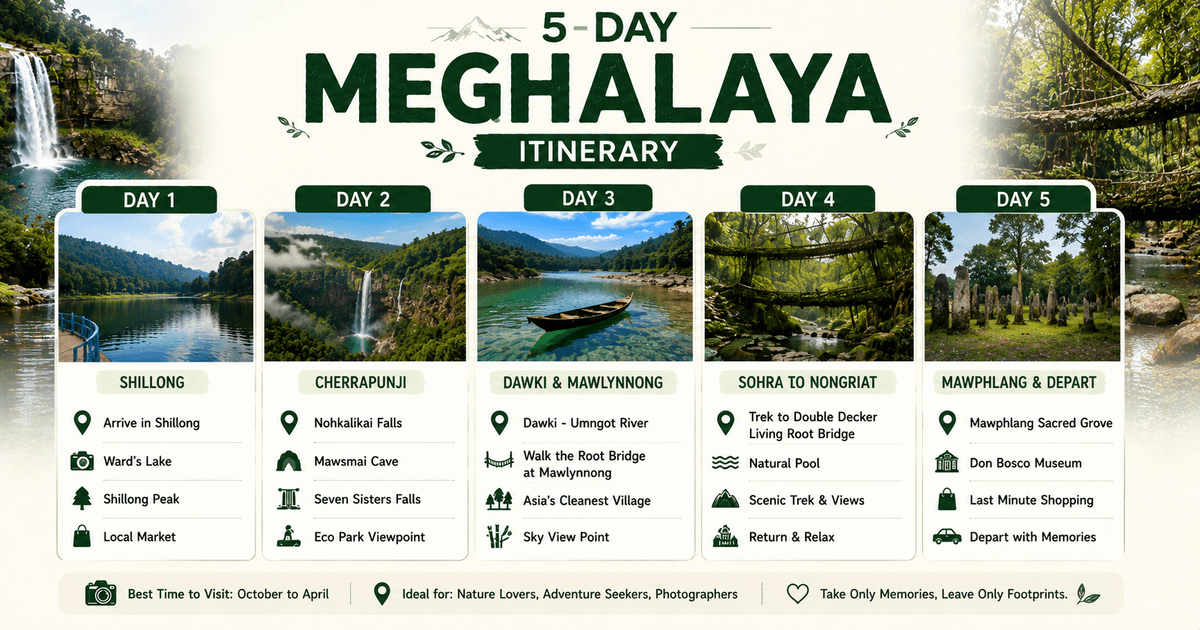
There's a version of this itinerary floating around every travel blog that promises you can do Shillong, Cherrapunji, Dawki, and Mawlynnong in five days without breaking a sweat. Technically true. Pra
Ready to Start Your Journey?
Let us help you plan your perfect spiritual or wellness retreat across India's most sacred destinations.
- 1.A legacy carried through time
- 2.The sacred heart of Shakti
- 3.Carved by earth, blessed by Shakti
- 4.Every mile, an act of faith
- 5.Moments of grace in the Wilderness
- 6.When the desert comes alive
- 7.Following an Ancient Pilgrim's Trail
- 8.Distance from Major Cities
- 9.Crossing borders with care
- 10.Comfort along the sacred route
- 11.Three days beneath the desert sky
- 12.Day 1: Arrive in Karachi
- 13.Day 2: Hinglaj Mata Darshan
- 14.Day 3: Explore& Return
- 15.Sacred wonders beyond Hinglaj
- 16.Where culture meets devotion
- 17.Travel wisely, walk humbly
- 18.Stories hidden in the sands
- 19.Voices from history and faith
- 20.Let the journey be your only focus
- 21.A pilgrimage written in the sands
Browse Series
Ready to Start Your Journey?
Let us help you plan your perfect spiritual or wellness retreat across India's most sacred destinations.