Chintpurni temple: the goddess who removes all worries

RIYA SHARMA
HRDYAM - DISCOVER SACRED JOURNEYS, WISDOM & WELLNESS
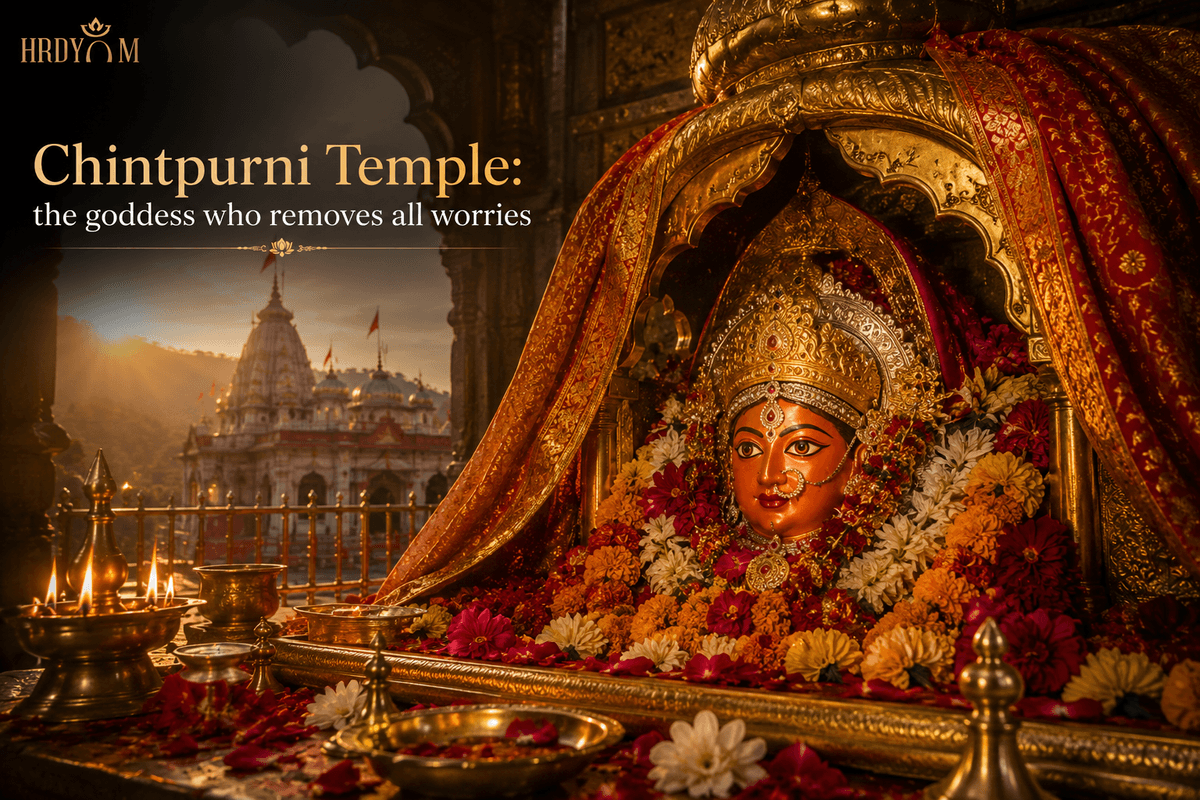
While some temples command respect and awe by virtue of their magnificence, there are many which leave a lasting impression owing to the peace they provide to the heart. The Chintpurni temple in the peaceful Shivalik ranges of Himachal Pradesh falls into the latter category. This is the temple wherein millions of people come with their fears, worries and unanswered prayers and depart with hope in their hearts.
While I came across the Chintpurni temple for the first time, what attracted me to it was not the architectural splendor or the geographical location of the temple but the meaning of the word itself. "Chintpurni" means "one who removes all your worries (chinta)". People believe that the mother Divine listens to the prayers of her children and liberates them from their worries.
As I gained more knowledge regarding the temple, I came to know that not only is it one of the most respected shrines in Himachal Pradesh, but it is one of the 51 most revered Shakti Peethas as well. As per Hindu mythology, this particular place is considered the place from which the feet of Sati fell after Lord Vishnu had restored order to the universe by using his Sudarshan Chakra. Since then, this temple has been revered as a great center of Shakti worship by the pilgrims from all over India.
In contrast to the old temples that can be found in the deep jungles or on mountaintops, the temple at Chintpurni opens its doors to visitors in a very warm environment full of devotion. "Jai Mata Di" chants, the smell of incense sticks, red prayer flags, and thousands of devotees tying sacred threads while making wishes make it all the more of an emotional experience.
The temple is especially vibrant during the Shravan Ashtami Fair, when lakhs of pilgrims gather to seek the blessings of Maa Chintpurni, believing that the Goddess grants peace of mind, prosperity, and the strength to overcome life's challenges. Yet even on ordinary days, the temple carries a quiet spiritual energy that encourages every visitor to pause, reflect, and surrender their worries to the Divine Mother.
Whether you are a devotee seeking blessings, a traveller exploring the sacred temples of Himachal Pradesh, or someone searching for a deeper spiritual connection, Chintpurni Temple offers far more than a pilgrimage, it offers the comforting reminder that no burden is too heavy for a mother's love.
| Attribute | Detail |
|---|---|
| Temple Name | Chintpurni Temple (Maa Chhinnamastika Dham) |
| Location | Chintpurni, Una District, Himachal Pradesh, India |
| Associated Body Part of Goddess Sati | Feet (some traditions mention the forehead or head portion) |
| Presiding Goddess (Shakti) | Maa Chintpurni (Chhinnamastika Devi) |
| Associated Bhairava | Krodhish Bhairava |
| State | Himachal Pradesh |
| Elevation | Approximately 975 metres (3,199 ft) above sea level |
| Temple Type | Shakti Peetha |
| Believed Origin | Ancient shrine rediscovered by Pandit Mai Das following a divine vision |
| Best Time to Visit | October to March; Shravan Ashtami Fair; Navratri |
| Nearest Airport | Kangra Airport (Gaggal) – Approx. 65 km |
| Nearest Railway Station | Hoshiarpur (Approx. 42 km) / Una Himachal (Approx. 55 km) |
| UNESCO Status | Not a UNESCO World Heritage Site |
| Temple Timings | Generally 4:00 AM – 11:00 PM (seasonal variations apply) |
| VIP Darshan | Available during major festivals through temple administration |
| Photography Rules | Allowed in the outer premises; prohibited inside the sanctum |
| Dress Code | Modest traditional attire recommended |
| Major Festivals | Shravan Ashtami Fair, Chaitra Navratri, Sharad Navratri |
| Official Management | Shri Chintpurni Temple Trust, Government of Himachal Pradesh |
Every sacred shrine carries a story of divine grace
All the Shakti Peethas have their own stories associated with the eternal sacrifice of Goddess Sati and Chintpurni is one of them. This place has the spiritual message that even out of the deepest tragedy, divine grace can come.
As per Hindu mythology, a yajna was arranged by King Daksha, who did not invite his daughter's husband Lord Shiva to participate in it. Not being able to bear the insult done to her husband, Goddess Sati sacrificed her mortal body in the fire of the yajna.
Feeling extreme pain, Lord Shiva picked up the body of Sati and danced the most furious Tandava all through the universe, which had become unstable due to the extreme power of the dance. In order to maintain balance in the universe, Lord Vishnu had to use his Sudarshan Chakra, which separated Sati's body into pieces. All those places where her body parts fell got the status of Shakti Peeths and became divine places for worship.
It is believed that the feet of the goddess fell at Chintpurni. Some texts also believe that the forehead/ head of the goddess fell here.
The Goddess being worshipped in this temple is Maa Chintpurni, otherwise known as Chhinnamastika Devi, the tenth Mahavidya in Tantric tradition. While the Tantric version of Maa Chintpurni stands for the liberation of the ego and awakening of the ultimate consciousness in humans, devotees worship her with all their love as the benevolent Mother who frees her children of worries and obstacles in life.
The temple’s story is closely connected to Pandit Mai Das, a priest devoted to the Goddess, who is believed to have been shown a vision by the Goddess. It was Maa Chintpurni herself who appeared in his dream and revealed to him that she existed in the form of a Pindi under the banyan tree in the mountains. Following the vision, Pandit Mai Das was able to find the holy Pindi and create a place of worship.
News about the miraculous shrine spread all over the northern part of India. Pilgrims, kings and saints started coming to the temple and praying before the Goddess because sincere prayers were believed to bring relief and fulfill their wishes.
To date, many devotees come bearing various anxieties, whether it be in relation to health, family, or even work. They offer red threads, coconuts, and flowers as tokens of their faith in the Goddess, knowing that Maa Chintpurni will fill their hearts with courage and hope.
Tracing centuries of devotion through history
Though the genesis of the Chintpurni temple lies in mythological tales, its recorded history is marked by the dedication of several saints and ruling kings along with numerous pilgrims who have paid homage to the deity over time. This forest shrine grew into one of the most frequented Shakti Peethas of northern India.
| Period | Event |
|---|---|
| Mythological Era | According to Hindu tradition, the feet of Goddess Sati (some traditions mention the forehead or head portion) fell here, establishing Chintpurni as one of the 51 Shakti Peethas. |
| Ancient Period | The sacred hill was worshipped by local devotees and sages long before the construction of a formal temple. |
| Early Medieval Period | The shrine became known as a place where devotees prayed for relief from worries, giving rise to the name Chintpurni, meaning "the remover of worries." |
| Discovery by Pandit Mai Das | Local tradition states that Pandit Mai Das, a devoted priest, received a divine vision from the Goddess, who instructed him to discover her sacred Pindi beneath an ancient banyan tree and establish regular worship. |
| 17th–18th Century | The shrine grew steadily in popularity under the patronage of local rulers and attracted pilgrims from Punjab, Himachal Pradesh, Jammu, and Haryana. |
| 19th Century | Improved pilgrimage routes encouraged larger numbers of devotees, and the temple became an important stop on the Himalayan Shakti pilgrimage circuit. |
| British Period | British administrators documented the temple as one of the region's major pilgrimage centres, noting the large gatherings during the annual Shravan Ashtami Fair. |
| Post-Independence | The Government of Himachal Pradesh established the Shri Chintpurni Temple Trust to oversee temple administration, pilgrim facilities, and preservation. |
| Present Day | Chintpurni Temple welcomes millions of devotees every year and remains one of the most important pilgrimage destinations in northern India, especially during Navratri and the Shravan Ashtami Fair. |
Every stone reflects timeless faith and sacred craftsmanship
Whereas many majestic temple complexes are constructed by the ruling dynasty, the Chintpurni Temple was developed through centuries of continuous devotion. The simple architectural structure has kept the importance of the sacred Pindi, which represents the self-manifested form of Goddess, as the focal point without any complex decoration.
The temple is located on a hill in the Una district of Himachal Pradesh and encircled by the soft folds of the Shivalik ranges. The white-colored temple, with a golden dome, is visible from afar and instantly attracts the attention of pilgrims who visit the holy site. The colorful red flags waving in the mountain air create a divine aura around the temple.
In the Garbhagriha (inner chamber) of the temple, the devotees pay their reverence to the sacred Pindi of Maa Chintpurni, which is said to manifest itself naturally. Unlike the conventional idols made of stone or metal, the Pindi is considered the incarnation of the Goddess, dressed up daily in silken clothes, decorated with flowers and gold jewelry along with silver canopy.
The temple complex has expanded over the years to accommodate the growing number of pilgrims. Wide courtyards, covered queue corridors, prayer halls, and facilities for devotees have been added while preserving the sanctity of the original shrine. Smaller shrines dedicated to Lord Shiva, Lord Ganesha, Hanuman, and other Hindu deities can also be found within the premises, allowing pilgrims to offer prayers before completing their visit.

One of the temple's most distinctive features is the ancient banyan tree, closely associated with the legend of Pandit Mai Das and the Goddess's divine revelation. Even today, devotees tie sacred threads around its branches while praying for the fulfilment of their wishes, believing that Maa Chintpurni listens to every sincere prayer.
Although the temple has undergone several renovations to improve pilgrim facilities, it has carefully preserved its humble spiritual character. Rather than overwhelming visitors with grandeur, Chintpurni's architecture quietly directs every heart toward the compassionate presence of the Divine Mother.
Understanding why devotees seek the blessings of Maa Chintpurni
Out of the total 51 Shakti Peeths which are sacred, Chintpurni Temple is considered the temple of submission of fear and anxieties of devotees in front of the Divine Mother. “Chintpurni” means the union of two Sanskrit words (Chinta, meaning worry, and Purni, meaning remover or fulfiller) hence the Goddess is regarded as the kind Mother who releases her devotees from the myriad worries of life.
It is stated by the Shakta tradition that the temple marks the place of the fall of the feet of Goddess Sati, while some old traditions consider this temple to be associated with the forehead or head part. Notwithstanding all this, worshippers of the Goddess have visited this place for many years past.
Maa Chintpurni is considered to be the ruling deity here, and she is considered to be the incarnation of Goddess Chhinnamastika, who is part of the Dasha Mahavidyas of Tantric philosophy. While in its esoteric sense, this deity stands for transcendence, sacrifice, and ultimate consciousness awakening, the devotion at this temple stresses the maternal qualities of the Goddess. People do not come here out of fear, but because they are sure that the Goddess will hear any silent prayer and any unspoken pain.
This temple also plays a major role in Tantric worship, and followers consider the Goddess as an agent of inner transformation and spiritual energy. But for most people who come here, the temple is still just a temple of hope, a place where students pray before exams, where families pray for unity, where entrepreneurs pray for success, and where everyone else asks for health, happiness, and guidance in hard times.
The offering of red threads tied with sincere prayers and returned untied when their wishes are fulfilled is perhaps the most heart-warming custom of the temple.
In the midst of the serene surroundings of Himachal Pradesh, Chintpurni Temple serves as a reminder to all who visit it that however much life stresses them out, there can never be anything too heavy to leave at the feet of the Goddess. It is this steadfast devotion that makes it such a cherished pilgrimage destination.
Celebrate the temple's most cherished spiritual traditions
Chintpurni temple receives several thousands of worshippers throughout the year, but the holy hill temple becomes one of the biggest spiritual congregation sites in Himachal Pradesh during the major festivals of the temple. The temple gets decorated with flowers and lights, songs of devotion resound in the hills, and devotees come from all parts of India in order to have the blessings of Maa Chintpurni.
Shravan Ashtami Fair
The Shravan Ashtami Fair is the biggest and holiest festival of Chintpurni temple which is held during July–August. This festival goes on for nearly ten days and lakhs of devotees attend it who travel long distances chanting "Jai Mata Di." Various types of pujas, bhajans, and community feasts make this festival more holy and exciting.
Chaitra Navratri
The festival of Chaitra Navratri is observed during the months of March–April. This period becomes one of the best times to visit Chintpurni temple.
Sharad Navratri
The festival of Sharad Navratri is celebrated in September or October and is yet another period when many people undertake pilgrimages. The faithful offer coconut, chunris of red color, flowers, and sweets to the Goddess.
Diwali
On Diwali, the temple sparkles with numerous oil lamps and decorative lighting. The joyous celebration along with evening worship makes it one of the most beautiful periods to visit the temple.
Guru Purnima
People pay homage to Chintpurni during Guru Purnima to thank their gurus, while worshipping the Divine Mother considered as the highest manifestation of wisdom.
New Year and Other Festivals
At the beginning of the New Year, Makar Sankranti, and other religious festivals, many people come to Chintpurni as well.
Experience the rhythm of devotion from dawn to dusk

Chanting to the Divine Mother starts from before sunrise at the Chintpurni Temple. The sounds of prayers and chanting reverberate inside the temple from the first ceremony in the morning until the last one in the evening.
| Time | Ritual |
|---|---|
| 4:00 AM – 4:30 AM | Mangala Aarti – The Goddess is ceremonially awakened with prayers and devotional hymns. |
| 5:00 AM – 11:30 AM | Nitya Puja & Archana – Daily worship, flower offerings, and chanting of sacred mantras. |
| 12:00 PM | Bhog Offering – Traditional food offerings are presented to Maa Chintpurni. |
| 1:00 PM – 4:00 PM | Continuous darshan, personal pujas, and offerings by devotees. |
| 7:00 PM | Sandhya Aarti – Evening lamp ceremony accompanied by devotional music and temple bells. |
| 9:30 PM | Shayana Aarti – Final prayers before the temple prepares to close for the day. |
The devotees can offer archanas, coconut, flowers, red chunris, and sacred threads or even get involved in pujas performed by temple priests at any time during the day. The process will be continued till late nights in the period of Navratri and Shravan Ashtami Fair.
Plan your visit around the temple's daily schedule
The Chintpurni Temple stays open throughout the year from dawn till dusk, and people can visit anytime they like to offer their prayers. Dawn is the most ideal time for a serene darshan, and the evenings take on new life with Sandhya Aarti.
| Day | Morning | Evening |
|---|---|---|
| Monday – Sunday | 4:00 AM – 1:00 PM | 2:00 PM – 11:00 PM |
Choose the darshan experience best suited to your pilgrimage
General (Free) Darshan
General darshan can be accessed freely by all devotees without having to pay anything for entry. During normal days, it would take around 30-60 minutes to wait in line; however, on weekends, Navratri, and Shravan Ashtami Fair, one could have to wait in line for 3-6 hours.
Special / VIP Darshan
Special Darshan is a service offered by the temple during peak pilgrim times when you can arrange it via the temple authorities.
Senior Citizens Assistance
Senior citizens and differently abled people receive priority during their darshan at the temple authorities.
Guided Darshan
Several pilgrims opt for guided tours of the spiritual kind which give information about the background of the temple, the significance of Maa Chintpurni, and the customs followed at this holy site. These are particularly helpful to new and family pilgrims.
Arrange sacred rituals with ease and devotion
The devotees have a chance to perform many rituals for Maa Chintpurni like Archana, Havan, and health, wealth, and mental peace offerings. Most of the pujas can be arranged from the temple counter itself before entering the sanctum.
| Puja / Ritual | Purpose | Booking |
|---|---|---|
| Archana | Personalized prayers using the devotee's name and gotra | Temple Counter |
| Havan | Sacred fire ritual for blessings and fulfilment of wishes | Advance booking recommended |
| Special Bhog | Food offering to Maa Chintpurni | Available daily |
| Coconut & Chunri Offering | Traditional offering during darshan | Available near the temple entrance |
| Navratri Special Pujas | Performed during Chaitra and Sharad Navratri | Limited slots |
Choose the ideal season for a peaceful pilgrimage
Chintpurni temple remains open all year round; however, visiting during different seasons provides varied experiences. The best time to visit Chintpurni Temple is October to March because the season is cool, the sky is clear, and traveling through the Shivalik Hills is enjoyable.
Those pilgrims who would like to see the temple at its best must visit Chintpurni temple during the Shravan Ashtami Fair (July-August) or during Chaitra and Sharad Navratri, when the temple looks beautiful, with special activities conducted throughout the day. Thousands of devotees come here to receive blessings from Maa Chintpurni.
For those looking for peace during their darshan at Chintpurni Temple, the best time to visit is on weekdays from November to February, and arrive by 8:00 AM.
Know the seasons before planning your spiritual journey
| Month | Weather | Crowd Level | Notes |
|---|---|---|---|
| January | Cold (6–18°C) | Moderate | Pleasant weather with peaceful darshan. |
| February | Cool & Comfortable | Moderate | Excellent for sightseeing and temple visits. |
| March | Mild | High | Chaitra Navratri attracts large crowds. |
| April | Pleasant | High | Festival season continues with comfortable weather. |
| May | Warm | Moderate | Ideal for early morning darshan. |
| June | Warm | Moderate | Beginning of the pilgrimage season. |
| July | Monsoon | Very High | Shravan Ashtami Fair draws lakhs of devotees. |
| August | Monsoon | Very High | Pilgrimage continues during the annual fair. |
| September | Pleasant | High | Sharad Navratri preparations begin. |
| October | Cool & Clear | Very High | One of the best months for pilgrimage. |
| November | Cool & Dry | High | Excellent weather with manageable crowds. |
| December | Cold | Moderate | Peaceful atmosphere and clear hill views. |
How to reach Chintpurni temple
Chintpurni Temple is situated in the Una district of Himachal Pradesh and can be accessed easily through airways, railways, and roads. One has to drive through the scenic Shivalik Hills during the last leg of the journey.
From Delhi
There are many direct flights from Delhi to Kangra (Gaggal Airport) that take about 1.5 hours. Another way would be to board an overnight train to Una Himachal or Hoshiarpur, then board a cab or a bus. Through road transport, the journey will take about 7-8 hours.
From Mumbai
One can take direct or one-stop flights from Mumbai to Kangra via Delhi in 4-6 hours. Rail travel would take 28-32 hours. Road travel would take quite some time and is not much opted for.
From Bengaluru
One can access it through flights either via Delhi or Chandigarh, which takes about 5-7 hours. Train travel would take more than 40 hours.
From Hyderabad
Flights can be availed to Kangra from Delhi, which takes about 4-6 hours. Trains can be availed but would take more time to access.
From Chandigarh
Chintpurni Temple is about 175 kilometers away from Chandigarh and can be accessed in 4-5 hours through road transport.
| Mode of Transport | Details |
|---|---|
| By Air | Kangra Airport (Gaggal) is approximately 65 km from the temple. Taxis and buses are readily available. |
| By Rail | Una Himachal Railway Station is around 55 km away, while Hoshiarpur Railway Station is approximately 42 km away. |
| By Road | Regular HRTC buses and private taxis connect Chintpurni with Una, Kangra, Dharamshala, Chandigarh, Delhi, and nearby towns. |
| By Taxi | Private taxis are available from Kangra, Una, Hoshiarpur, Dharamshala, and Chandigarh, offering a comfortable hill journey. |
Quick transport guide
| Mode | From | Approx. Distance / Time |
|---|---|---|
| Air | Kangra Airport (Gaggal) | ~65 km / 2 hours |
| Rail | Una Himachal Railway Station | ~55 km / 1.5 hours |
| Rail | Hoshiarpur Railway Station | ~42 km / 1–1.5 hours |
| Road | Chandigarh | ~175 km / 4–5 hours |
| Road | Dharamshala | ~85 km / 2.5 hours |
Discover more sacred and scenic destinations nearby
Most of the pilgrims who come to worship at the temple of Chintpurni include it in their pilgrimage along with other holy temples located in Himachal Pradesh.
| Attraction | Approx. Distance from Chintpurni | Why Visit? |
|---|---|---|
| Jwalamukhi Temple | ~35 km | Famous Shakti Peetha where the Goddess is worshipped as eternal flames. |
| Kangra Devi (Brajeshwari) Temple | ~70 km | One of the 51 Shakti Peethas dedicated to Maa Brajeshwari. |
| Chamunda Devi Temple | ~90 km | Popular temple nestled along the Baner River. |
| Baglamukhi Temple, Bankhandi | ~55 km | Revered Tantric temple dedicated to Maa Baglamukhi. |
| Dharamshala | ~85 km | Home of the Dalai Lama and Tibetan culture. |
| McLeod Ganj | ~90 km | Scenic hill town known for monasteries, cafés, and mountain views. |
| Kangra Fort | ~65 km | One of India's oldest forts overlooking the Kangra Valley. |
| Masroor Rock-Cut Temples | ~95 km | Spectacular 8th-century monolithic rock temples. |
| Pong Dam Lake | ~75 km | Popular destination for birdwatching and boating. |
| Naina Devi Temple | ~115 km | Another revered Shakti shrine overlooking the Gobind Sagar Lake. |
Experience the authentic flavors of Himachali tradition

The spiritual trip to Chintpurni Temple gets completed with the simplicity of its offerings which have deep meanings attached to them. Coconuts, red chunris, sweets, dry fruits, and flowers form the offerings made by devotees to Maa Chintpurni before getting blessed with prasad.
Outside the temple premises, there is an active market where one can find shops that sell decorated puja thalis, holy threads, incense sticks, and sweets. There are restaurants and dhabas around the place that offer delicious Himachali food, besides popular North Indian dishes.
| Food / Specialty | Why Try It? |
|---|---|
| Temple Prasad | Coconut, mishri, dry fruits, and sweets blessed by Maa Chintpurni. |
| Himachali Dham | Traditional festive meal featuring rice, madra, rajma, and local delicacies. |
| Madra | Rich yogurt-based chickpea curry, a signature dish of Himachal Pradesh. |
| Siddu | Steamed Himachali bread served with ghee or lentil curry. |
| Babru | Crispy stuffed Himachali bread enjoyed as a popular snack. |
| Rajma Chawal | Comforting North Indian meal widely available near the temple. |
| Halwa & Kheer | Traditional sweets commonly served during festivals and religious occasions. |
Find accommodations that complement your pilgrimage
Regardless of whether you wish to take up a shorter trip or visit more than one Shakti Peetha in Himachal Pradesh, you can rest assured that there are places available in Chintpurni for all kinds of travellers. From inexpensive dharamshalas meant for pilgrims to luxurious hotels and resorts, you can pick according to your preference.
| Category | Best For | What to Expect |
|---|---|---|
| Budget Dharamshalas & Guesthouses | Pilgrims & solo travellers | Simple, clean rooms close to the temple, many managed by religious trusts. |
| Mid-Range Hotels | Families & regular travellers | Comfortable rooms with attached bathrooms, air conditioning, parking, and restaurants nearby. |
| Luxury Hotels & Resorts | Premium travellers | Well-appointed resorts in Una, Kangra, and Dharamshala offering modern comforts and scenic surroundings. |
| Senior-Friendly Hotels | Senior citizens & families | Hotels with lift access, spacious rooms, and convenient transport to the temple. |
| Pilgrim Guesthouses | Religious travellers | Peaceful accommodations designed specifically for devotees visiting the shrine. |
Plan your pilgrimage with confidence and clarity
| Expense | Budget Traveller | Mid-Range Traveller | Luxury Traveller |
|---|---|---|---|
| Accommodation (Per Night) | ₹800 – ₹2,000 | ₹2,500 – ₹6,000 | ₹8,000 – ₹20,000+ |
| Local Transport (Per Day) | ₹200 – ₹500 (Bus/Shared Taxi) | ₹800 – ₹1,500 (Private Taxi) | ₹3,000+ (Private Vehicle with Driver) |
| Food (Per Day) | ₹300 – ₹700 | ₹800 – ₹2,000 | ₹3,000+ |
| Temple Offerings / Donations | ₹100 – ₹500 | ₹500 – ₹1,500 | As per personal devotion |
| Guided Darshan Assistance (Optional) | — | ₹1,500 – ₹3,500 | ₹3,500 – ₹7,000+ |
Experience Chintpurni at a relaxed and meaningful pace
Whether you have just a few hours or several days, Chintpurni temple can easily be combined with other sacred destinations across Himachal Pradesh.
1-Day itinerary
| Time | Plan |
|---|---|
| 6:00 – 8:00 AM | Arrive early for a peaceful darshan and attend the morning aarti. |
| 8:00 – 10:00 AM | Explore the temple complex and local market for prasad and souvenirs. |
| 10:30 AM – 1:00 PM | Visit nearby viewpoints or local temples around Chintpurni. |
| 2:00 – 5:00 PM | Enjoy authentic Himachali cuisine and relax before departure. |
| 6:00 – 7:00 PM | Attend the beautiful Sandhya Aarti before concluding your pilgrimage. |
2-Day itinerary
| Day | Suggested Plan |
|---|---|
| Day 1 | Chintpurni Temple → Local Market → Evening Aarti |
| Day 2 | Jwalamukhi Temple → Baglamukhi Temple → Kangra Fort |
3-Day itinerary
| Day | Suggested Plan |
|---|---|
| Day 1 | Chintpurni Temple and surrounding attractions |
| Day 2 | Jwalamukhi Temple → Kangra Devi Temple → Kangra Fort |
| Day 3 | Chamunda Devi Temple → Dharamshala → McLeod Ganj |
Simple guidance for a safe and comfortable pilgrimage

With some planning, your Chintpurni Temple experience will turn out to be an enjoyable one.
It is advised to wear proper clothes while visiting the temple. A saree, salwar suit, kurta pajama, or any other decent full-length dress will be appropriate.
Shoes must be removed before entering the temple grounds. Shoe racks are provided near the entrance for keeping shoes.
Photography is allowed outside the temple premises. It is, however, strictly not allowed inside the temple complex. Always adhere to the guidance of the temple authorities.
If you happen to visit the temple during the Navratri or Shravan Ashtami Fair days, make sure that you arrive in the morning as early crowds will result in long lines. On festival days, there are lakhs of devotees, and the waiting period can become very long.
Buy coconuts, flowers, chunris, and puja samagri only from the authorized shops located near the temple entrance. This is important to get them at reasonable rates and avoid being overcharged.
Bring some drinking water along with you. Also, keep comfortable footwear while moving around the temple markets and nearby areas.
Senior citizens as well as the pilgrims who have mobility issues can seek help by hiring help locally or going through the process of a guided pilgrimage especially during the peak season.
While mobile networks function well in the vicinity of the temple, it is recommended that visitors carry cash to be used for making donations, purchasing prasad, parking their vehicles, and making purchases from the local vendors.
Those visiting different locations of the Shakti Peethas in Himachal Pradesh can hire a car on a daily basis for the trip.
Discover remarkable stories hidden within the temple's legacy
Chintpurni Temple is one among the 51 esteemed Shakti Peethas which attract thousands of pilgrims every year.
The meaning of "Chintpurni" is "the Goddess who makes the worries go away." This temple is a place of hope and tranquility.
The ruling goddess of the temple is venerated as "Maa Chintpurni" and she is said to be related to the Goddess Chhinnamastika, one of the Dasha Mahavidyas in Tantra literature.
As per local belief, this temple was founded after getting divine inspiration from the Goddess by Pandit Mai Das from the Goddess.
In place of an idol sculpture, people offer prayers to Pindi which is considered as self-mandated form of the Divine mother.
Shravan Ashtami fair is one of the largest fairs in Himachal Pradesh in terms of devotees coming from all parts of India.
The ancient banyan tree within the premises of this temple complex is very sacred and devotees tie red threads on it after offering prayer for the fulfillment of their wish.
Chintpurni is part of the famous Himachal Shakti Peetha circuit along with Jwalamukhi, Kangra Devi, Chamunda Devi, and Naina Devi.
This temple is maintained by the Shri Chintpurni Temple Trust.
They believe that true prayers at Chintpurni will not only help in getting rid of the problems but also provide them with the courage, clarity of mind, and strength to cope with life.
Personalized spiritual journeys crafted with care and devotion
Should your tour of the Chintpurni temple encourage you to investigate the philosophy of Shakti worship, Mahavidyas, and the holy sites of Shakti Peethas, the following books can serve as a great starting point.
| Book | Why Read It? |
|---|---|
| Shakti and Shakta – Sir John Woodroffe (Arthur Avalon) | A classic introduction to Shakta philosophy, Tantra, and the worship of the Divine Mother. |
| Kali: The Feminine Force – Ajit Mookerjee | Explores the symbolism, iconography, and spiritual significance of Goddess Kali and the Shakti tradition. |
| The Serpent Power – Arthur Avalon | A foundational work on Kundalini Yoga, Tantra, and the awakening of divine energy. |
| Tantric Visions of the Divine Feminine – David Kinsley | Examines the Dasha Mahavidyas, including Goddess Chhinnamasta, and their place within Hindu spirituality. |
| Devi Bhagavata Purana | One of the principal scriptures devoted to the Divine Mother, containing stories, teachings, and the spiritual significance of Shakti worship. |
Plan your pilgrimage with HRDYAM
Travel to Chintpurni Temple is a sacred voyage filled with devotion, hope, and inner peace. Through HRDYAM, we will ensure that you get a perfect blend of spirituality and convenience in your voyage.
If you want to make a pilgrimage to Chintpurni Temple or want to embark on a tour of all Shakti Peetha destinations in Himachal Pradesh, we will arrange all sorts of logistics including your travel, accommodation, local transportation, temple visit guide and many other services. In addition to this, we can also take you to some other religious spots in the area such as Jwalamukhi, Kangra Devi, Chamunda Devi, Naina Devi and Baglamukhi Temple.
In case you wish to establish a strong link with the Divine Mother, our Vedic astrologer, Dr. Aaditya Pandey can also help you choose an appropriate day for your pilgrimage using your horoscope. Moreover, you can purchase some special puja samagri items from HRDYAM's collection that will help you bring Divine Mother's blessings to your home.
From your first prayer till your return home, HRDYAM will make sure that your entire journey is as comfortable and spiritual as possible.
Where every worry finds peace

While some pilgrimages will be famous for their marvelous architecture and others for spectacular natural vistas, Chintpurni Temple is famous for its lightness. Many people visit here with problems in their hearts and souls but return from their visit believing in the power of the Divine Mother who is always ready to listen to them.
Located peacefully among the Shivalik Hills, this temple has been receiving pilgrims for hundreds of years. Regardless of whether one seeks help, spiritual enlightenment, or just needs some quiet place to find inner peace, Maa Chintpurni can offer an example of the power of faith that can turn fears and worries into hopes.
Take your time as you walk along the temple courtyard and pay attention to all the details around you (the bells and incense smoke and the sacred Pindi. While you stand there in a few moments of quiet, you might understand the main belief of all the devotees visiting this temple for centuries) there is always a mother's blessing for every problem that seems unsolvable.
Spiritual travel researcher, Vedic cultural writer, and contributing editor at HRDYAM.
You Might Also Like
Tags
More Articles
View all
Hinglaj Mata: Where faith crosses every border
The journey to some temples starts with the sound of temple bells. However, when it comes to the pilgrimage to Hinglaj Mata Temple, the starting point of this journey is not sound but silence - the si
Tripura Sundari: Where beauty becomes divine
One of the few temples in India that has been named based on a profound philosophical thought, rather than a location, is called "Tripura Sundari," which means "The Beautiful One of the Three Worlds."
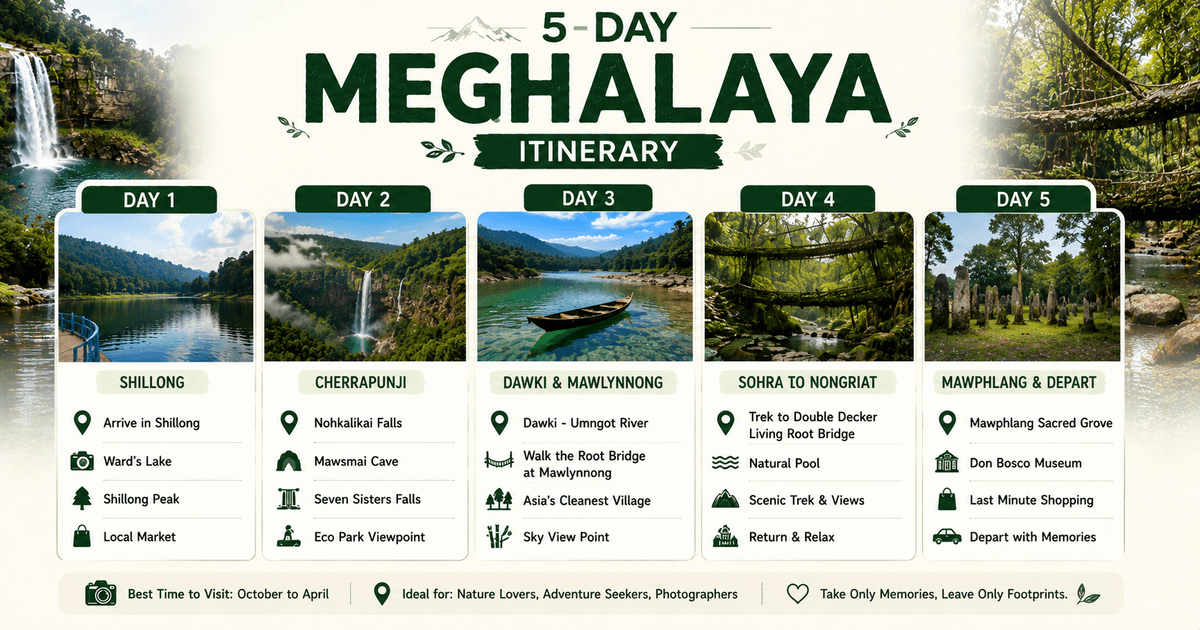
5-Day Meghalaya Itinerary
There's a version of this itinerary floating around every travel blog that promises you can do Shillong, Cherrapunji, Dawki, and Mawlynnong in five days without breaking a sweat. Technically true. Pra