Your complete guide to a hassle-free Ambubachi Mela pilgrimage

RIYA SHARMA
HRDYAM - DISCOVER SACRED JOURNEYS, WISDOM & WELLNESS
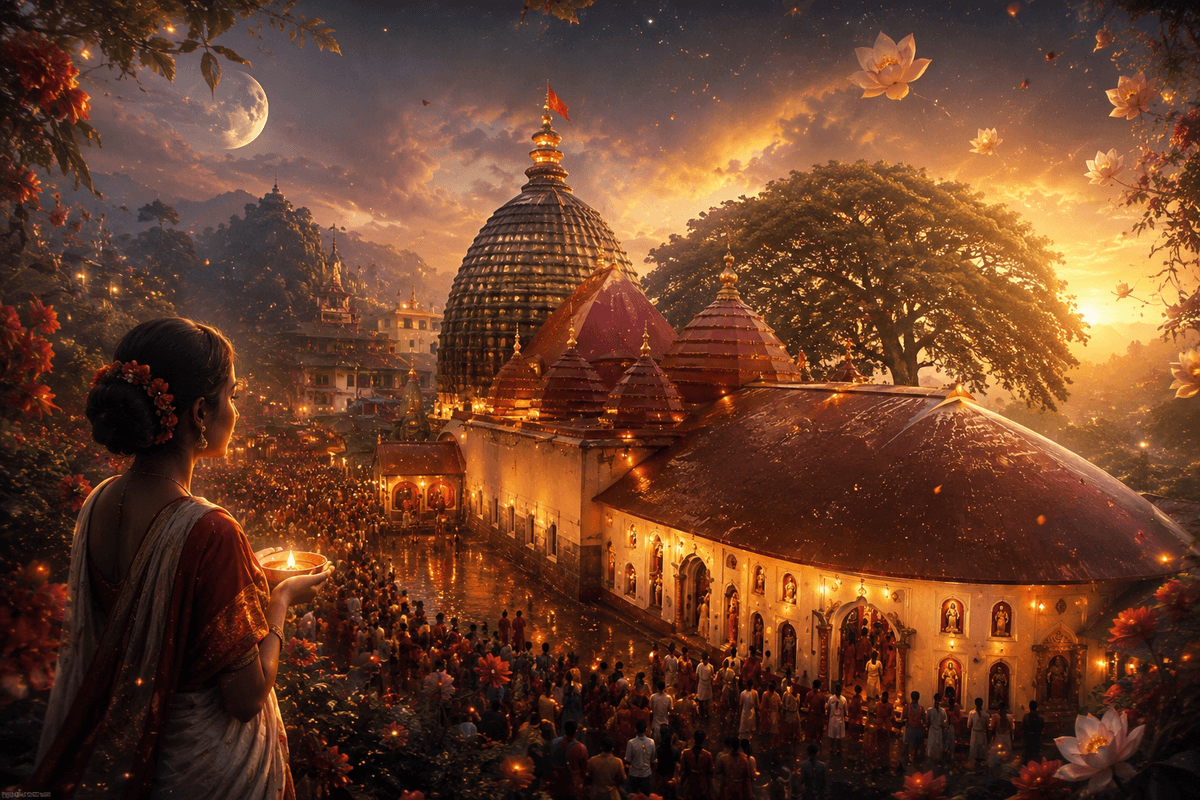
Each time the monsoon comes to the city, there are numerous activities in Guwahati. Hundreds of thousands of people come to the Nilachal Hills to visit the Kamakhya temple during the Ambubachi Mela, one of the largest festivals celebrating the cult of Shakti in India.
The participation in the ritual takes place for the sake of many people, as the practice has been developed over many generations already.
However, there is a problem with Ambubachi Mela; it is very large, too large for many visitors. There are numerous crowds of people in the area, the weather is hot and humid, there are jams in the streets, and the place where visitors could stay overnight is quickly booked by other people.
Besides, it is very hard for older people, for families with children, or for newbies to climb the hills. Thus, participation in the festival without preparation will only make a person tired.
The knowledge about the meaning of the festival and its logistics is very important.
What is called Ambu Bachi?
Ambubachi is the name of a spiritual gathering which is an important festival in India, which celebrates the Shakta tradition annually at the Kamakhya temple located at Guwahati in Assam. The word is derived from the Sanskrit Ambuvachi, meaning "the issuing forth of water".
The main focus of this festival is the mythological belief that the Goddess Kamakhya menstruates annually for three days, symbolizing fertility and creation.
On the fourth day, the temple gates are reopened to the devotees, and the devotees who come in large numbers seek blessings from the goddess by receiving holy offerings such as Angodak (sacred water) and Angabastra (holy red cloth).
What is Ambubachi Mela?
Ambubachi Mela is one of the greatest spiritual events that takes place in the Kamakhya Temple of Assam. The festival is devoted to Goddess Kamakhya.
Moreover, Ambubachi Mela is one of the most significant holidays for the followers of the Shakta denomination, according to which the female deity is the origin of everything.
According to the traditions described in the Kalika Purana, every year the goddess Kamakhya experiences her natural yearly process, the menstrual period.
For three days, the doors of the temple remain closed to people. There are no public ceremonies or visits to the place during these three days. Then the temple is opened, the ritual of purification is performed, and everybody is waiting for their turn to visit the temple and receive darshan from the goddess.
What makes Ambubachi Mela so interesting is its quietness and emphasis on nature, creation, and devotion. All these features attract various people to take part in the festival.
| Aspect | Details |
|---|---|
| Festival | Ambubachi Mela |
| Location | Kamakhya Temple, Nilachal Hills, Guwahati, Assam |
| Main Deity | Goddess Kamakhya |
| Tradition | Shakta Tradition |
| Duration | Approximately four days |
| Temple Closure | First three days |
| Main Celebration | Temple reopening and public darshan on the fourth day |
Why is Ambubachi Mela spiritually significant
For followers of Shakta beliefs, the Ambubachi is much more than a mere get-together. It is an opportunity for paying respects to creation, to the cycle of nature, as well as to menstruation, something considered shameful in many societies. In fact, the meaning behind this event symbolizes life itself through fertility, revival, and creation.
It is not simply the ritual itself. It is the opportunity to contemplate, reflect, and realize how strongly one is connected to nature and the divine feminine. It is probably one of the most sincere and genuine spiritual exercises of all time.
Finally, when the gates of the temple open again, you will feel the power of the atmosphere and see the crowds queuing all night long.
What happens during Ambubachi Mela
Closing of the temple
To begin with, they close the temple. During these three days, no one is allowed entry into it. Inside, priests perform ritualistic services to celebrate the goddess's journey through her cycle. However, during these days, there is an influx in Guwahati who are attracted to the temple only.
Arrival of saints, Sadhus, and Spiritual seekers
Monks, teachers, tantrics, sadhus, from everywhere gather in the city. This is an interesting aspect of the festival, but the essence remains the worship of the divine mother, despite the chaotic surroundings.
Hills turn into Campsites of Devotees
These Nilachal Hills are filled with campsites, community cooking sites, folk songs, and storytelling. This feeling of a community, of sleeping in tents, of eating and singing together, becomes as important to people as their participation in rituals inside the temple.
Reopening of the Temple-the pinnacle
On the fourth day, the temple gates are opened, and this is the climax of the celebration. The crowd rushes inside; some of them wait in line for hours, even for an entire night. Once inside, you are offered tokens of the temple, Angodak (holy water) and Angabastra (blessed cloth).
| Day | What Happens |
|---|---|
| Day 1 | The temple closes, and ritual observances begin. |
| Day 2 | Religious ceremonies continue; pilgrims gather across Nilachal Hills. |
| Day 3 | Temple remains closed while preparations continue for reopening. |
| Day 4 | The temple reopens, devotees receive darshan, and sacred offerings are distributed. |
Common challenges pilgrims face during Ambubachi Mela
| Challenge | Practical Planning Recommendation |
|---|---|
| Heavy Crowds | Reach Guwahati one or two days before the main darshan. |
| High Humidity | Wear light cotton clothing and stay hydrated with ORS and water. |
| Long Walking Distances | Plan regular rest breaks and avoid rushing uphill. |
| Accommodation Shortage | Book hotels several months in advance, preferably near Nilachal Hills. |
| Traffic Congestion | Use pre-arranged local transportation whenever possible. |
| Senior Citizen Fatigue | Choose flexible itineraries instead of multiple temple visits in one day. |
| Medical Needs | Carry prescription medicines, first-aid supplies, and emergency contact details. |
How HRDYAM supports a more comfortable pilgrimage experience

They do more than just sell your flight tickets and then wash their hands of it. To them, pilgrimage is an entire journey. They consider small details such as how close your room is to the temple, whether your father will be able to cope with the terrain, and whether you will spend half the day stuck in traffic.
Tailored travel plans, mobility support, meteorological knowledge, and medical assistance are planned meticulously. By handling all the hassles, your family will get a chance to be physically and spiritually present there, to get an amazing experience of Ambubachi Mela and Kamakhya Temple.
Should you wish to avoid hassle, consider purchasing the premium Kamakhya pilgrimage packages by HRDYAM that are tailored specifically for families, particularly senior citizens.
Thus, what items would you need when going to the Ambubachi Mela? In June, the monsoons make the situation unbearable as you can expect a sticky and wet atmosphere along with rains and mud, hence:
| Category | Essentials |
|---|---|
| Clothing | Light cotton clothes, umbrella, raincoat, extra footwear, towel |
| Health | Prescription medicines, ORS, reusable water bottle, mosquito repellent, first-aid kit |
| Documents | Government ID, hotel confirmations, travel tickets, emergency contacts |
| Temple Visit | Small backpack, slippers, hand sanitizer, power bank, cash for small purchases |
Places to visit around Nilachal Hills
While Kamakhya Temple remains the primary attraction, visitors staying in Guwahati for a few days may also explore nearby spiritual and cultural destinations.
Bhubaneswari Temple: Elevated above the hills of Nilachal, it's tranquil and offers amazing views.
Umananda Temple: It can be reached by a short boat ride from Guwahati across the river and is situated on a small island.
Assam State Museum: Good place to spend a rainy afternoon learning about the culture and traditions of the Assam region.
Brahmaputra River Cruise: A perfect relaxation activity at the end of a long day of sightseeing and praying.
Conclusion

Ambubachi Mela is a huge live tradition combining religious significance and the test of endurance. Crowds, rains, ascents-everything is real. But so is the magical feeling of participating in the festival with thousands of people who come to the temple only for blessings and peace of mind.
Combining your spiritual hopes with good planning (accommodation close to the temple, safe transport, taking care of the visitors) gives you an opportunity to experience exactly what you came here for.
To visit other such places to get a spiritual experience, you can visit HRDYAM to see various pilgrimage packages.
Spiritual travel researcher, Vedic cultural writer, and contributing editor at HRDYAM.
You Might Also Like
Tags
More Articles
View all
Hinglaj Mata: Where faith crosses every border
The journey to some temples starts with the sound of temple bells. However, when it comes to the pilgrimage to Hinglaj Mata Temple, the starting point of this journey is not sound but silence - the si
Tripura Sundari: Where beauty becomes divine
One of the few temples in India that has been named based on a profound philosophical thought, rather than a location, is called "Tripura Sundari," which means "The Beautiful One of the Three Worlds."
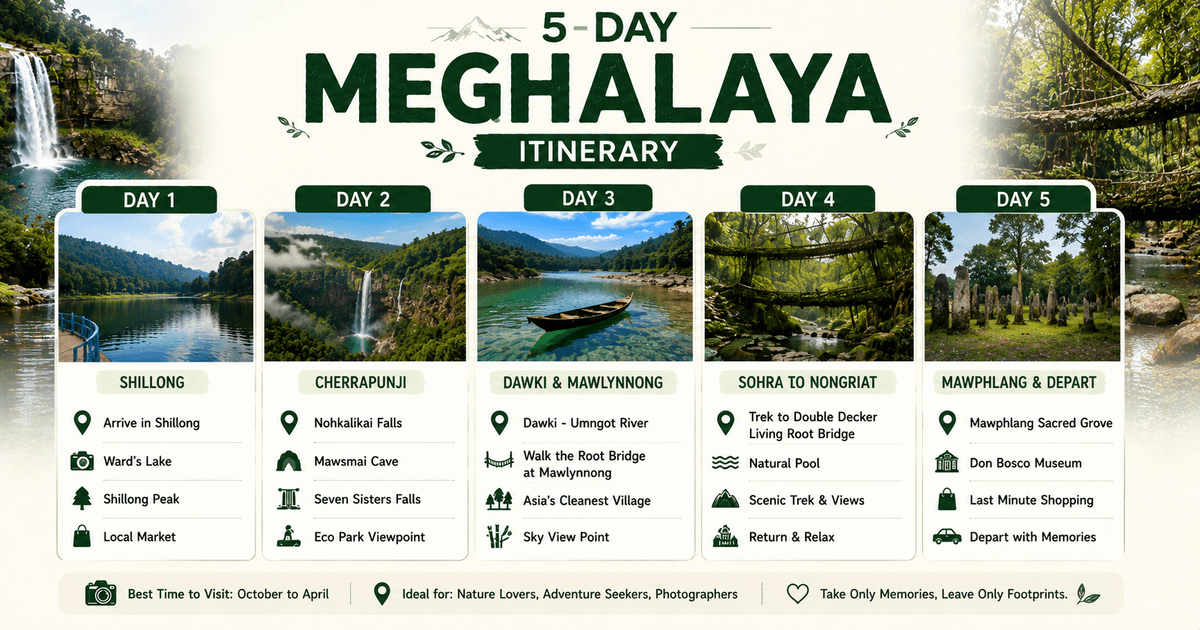
5-Day Meghalaya Itinerary
There's a version of this itinerary floating around every travel blog that promises you can do Shillong, Cherrapunji, Dawki, and Mawlynnong in five days without breaking a sweat. Technically true. Pra